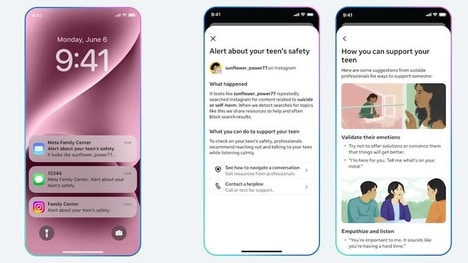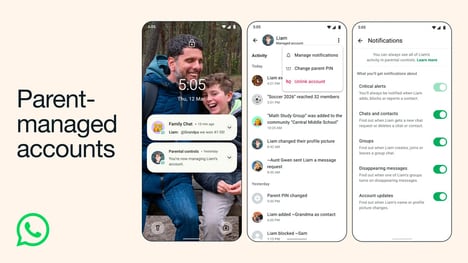

Instagram’s teen content filters introduce a more structured approach to how younger users experience social media, informed by 13+ movie rating standards and parent feedback. The platform now places teens into a default setting that limits exposure to sensitive material across feeds, search, and messaging, while also restricting interactions with accounts that regularly share mature content. A new “Limited Content” option gives parents additional control, allowing for an even more curated browsing environment.
This approach reflects a broader shift toward standardized, age-based content experiences shaped by familiar media guidelines. By translating movie-style ratings into social environments, Instagram creates a clearer and more predictable framework for families. For businesses, this signals growing demand for brand-safe, age-appropriate content strategies, encouraging platforms and advertisers to adapt messaging while building trust with younger audiences and their parents.
Image Credit: Meta/Instagram
Key Themes Behind This Trend
- Age-rated Social Experiences
- Platforms segmenting user experiences by age create opportunities for tailored content ecosystems that reduce risk and increase predictability for families.
- Parental-controlled Engagement
- Greater parental control mechanisms enable new service layers that mediate interactions and visibility between minors and broader social audiences.
- Content Rating Standardization
- Applying familiar media rating frameworks to social platforms opens the possibility of cross-platform compliance and interoperable moderation standards.
Where This Applies
- Advertising and Marketing
- Demand for brand-safe, age-appropriate campaigns creates room for specialized targeting solutions and verification services that align with parental expectations.
- Edtech and Digital Learning
- Educators and learning platforms can integrate curated social environments that prioritize age-appropriate peer interaction and content exposure.
- Entertainment and Media
- Media producers and distributors may develop segmented content pipelines and rating-aware distribution models that cater to family-friendly consumption on social channels.