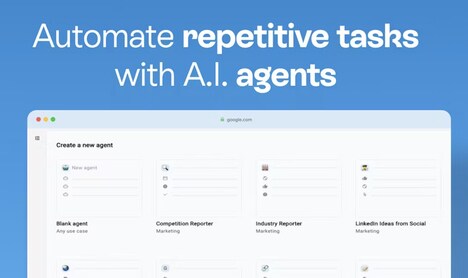
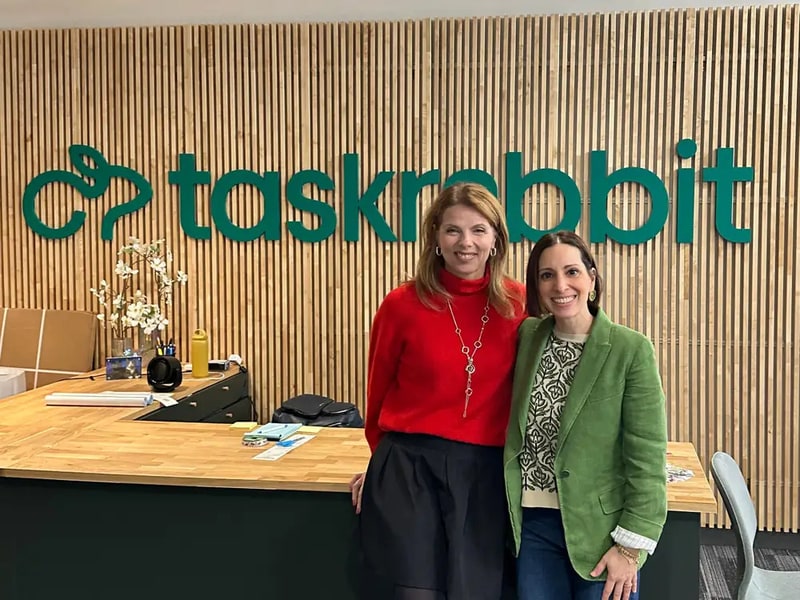
Taskrabbit rolled out AI-powered matching across its marketplace, the company’s CEO Ania Smith said, featuring natural-language parsing that reads customer requests and suggests qualified "Taskers". The upgrade is meant to speed hires for physical jobs such as furniture assembly, plumbing and electrical help, which Taskrabbit hosts on its platform.
The system combines past reviews, location, credentials and hourly rates to rank candidates and reduce back-and-forth messaging between clients and workers. Taskrabbit also said it sees AI enabling more people to train for trade tasks via online tools, and that IKEA-related furniture assembly remains a major category.
For consumers this means faster, clearer hiring and better confidence in worker fit, while Taskrabbit expects more supply as displaced white-collar workers seek hands-on roles. The change signals a broader trend of AI improving marketplace efficiency for labor that cannot be automated.
Image Credit: Taskrabbit
Key Themes Behind This Trend
- AI-powered Skill Matching
- Precision ranking of candidates using reviews, credentials, location and rates creates potential for marketplaces to dramatically reduce search friction and increase fill rates for specialized labor.
- Natural-language Job Parsing
- Parsing conversational customer requests into structured task specifications enables platforms to interpret nuanced needs and surface better-fitting worker matches without manual triage.
- Reskilling for Hands-on Trades
- An influx of displaced white-collar workers into trade roles paired with AI-guided training resources points to scalable pathways for rapid credentialing and labor supply expansion.
Where This Applies
- On-demand Home Services
- Integration of AI matching can shift the competitive landscape by prioritizing reliability and fit over brand familiarity, altering customer acquisition and retention dynamics.
- Workforce Training Platforms
- Platforms offering modular, AI-tailored upskilling for physical trades may capture new learner cohorts and create verified micro-credentials linked directly to marketplace demand.
- Retail Furnishing and Assembly
- Retailers that align product sales with verified assembly services and AI-driven scheduling could transform post-purchase fulfillment and reduce returns linked to assembly issues.