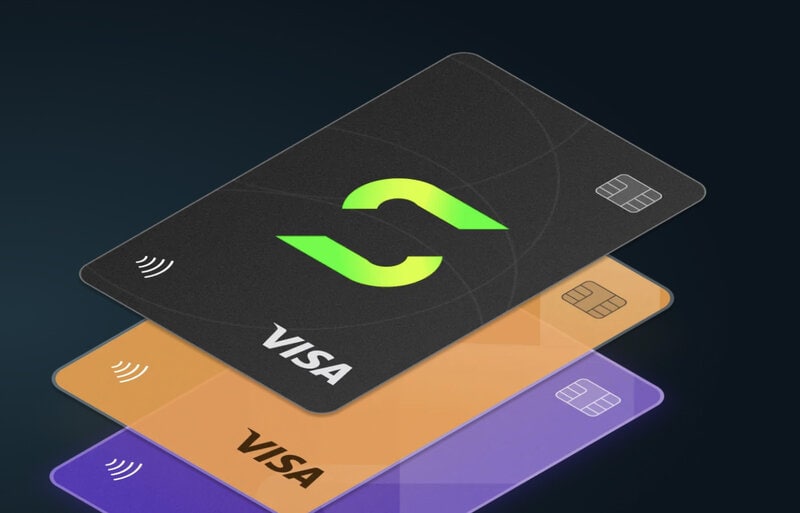
Managing international payments and corporate spending can be complex when businesses need flexible, secure, and scalable payment solutions. Swype provides instant virtual prepaid Visa® and Mastercard® cards that enable global spending through real-time API issuing.
The platform allows companies to activate cards quickly, manage accounts online, and set spending controls for better oversight and security. Designed for businesses and digital platforms, Swype also supports crypto-friendly off-ramping to help organisations bridge digital assets with everyday payments. By providing programmable virtual cards through an easy-to-integrate API, Swype helps companies simplify global transactions and improve financial flexibility. Swype gives businesses a modern payment infrastructure for issuing, managing, and controlling virtual spending solutions at scale. With instant card creation and customisable controls, Swype helps companies streamline payments while giving teams greater freedom and visibility over global spending.
Image Credit: Swype
What Makes This Trend Stand Out
- Api-issued Cards
- Programmable card issuing creates room for businesses to embed global payment capabilities directly into digital products and operational workflows.
- Crypto Payment Off-ramps
- Bridging digital assets with prepaid card networks introduces new financial infrastructure for converting crypto value into everyday commercial spending.
- Controlled Corporate Spending
- Real-time spending limits and account visibility reshape expense management by combining employee flexibility with stronger financial governance.
Sectors Adopting This
- Fintech
- Virtual card infrastructure expands embedded finance models by enabling platforms to offer secure, scalable payment tools without building banking systems from scratch.
- Corporate Payments
- Instant prepaid card issuance modernizes business spending by supporting distributed teams, vendor payments, and cross-border transaction management.
- Digital Assets
- Crypto-friendly payment rails strengthen the connection between blockchain-based value and traditional merchant acceptance networks.