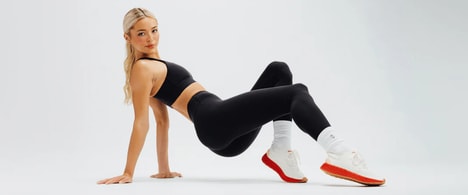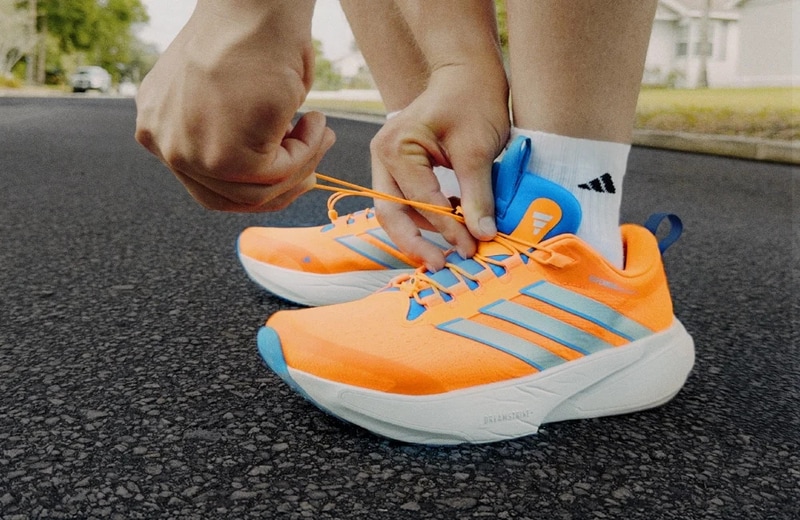
The adidas Supernova Rise 3 Adaptive is a performance running shoe developed in collaboration with athletes with disabilities, marking the brand’s first model designed specifically for adaptive use. Created with input from Paralympians, individuals with Down syndrome, and runners with mobility and sensory challenges, the shoe addresses barriers often overlooked in standard footwear. It launched globally on World Down Syndrome Day, reinforcing its connection to the community that shaped its design.
The design introduces features that prioritize accessibility and comfort, including a structured step-in heel for easier entry, a low-pressure lacing system, and magnetic toggles that reduce the need for fine motor control. A wider fit accommodates natural toe spread, while softer foam cushioning and a grippy outsole support varied movement patterns. Tactile elements and simplified construction further improve usability, resulting in a performance shoe that integrates adaptive needs without compromising running functionality.
Image Credit: adidas
What's Driving This Trend
- Inclusive Performance Footwear
- Designs that combine elite running performance with accessibility features create room for footwear that serves both competitive athletes and people with varied mobility needs.
- Adaptive Fastenings
- Magnetic toggles, low-pressure laces, and step-in heels point to fastening systems that enable independent use by individuals with limited dexterity or sensory differences.
- Sensory-first Design
- Tactile elements, wider fits, and cushioning tuned for diverse gait patterns indicate a move toward products engineered around sensory comfort and biomechanical variability.
Who This Affects Most
- Sports Footwear
- Athletic shoe lines that integrate adaptive features signal potential for new performance segments catering to athletes with disabilities and mainstream consumers seeking comfort.
- Assistive Technology
- Low-tech mechanical adaptations combined with performance materials suggest hybrid assistive products that blur the line between medical aids and consumer wearables.
- Rehabilitation and Physical Therapy
- Therapeutic programs and devices that incorporate purpose-built adaptive footwear could reshape recovery tools by emphasizing everyday usability and sport-capable design.