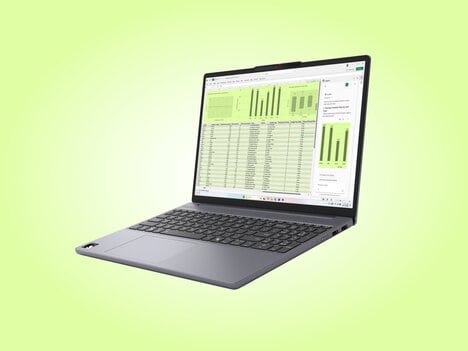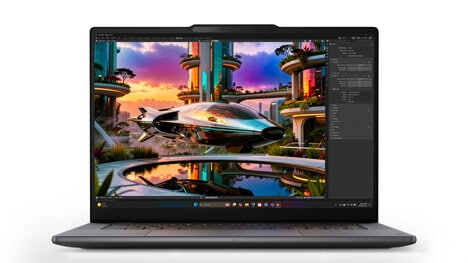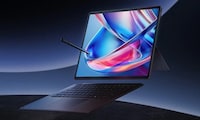
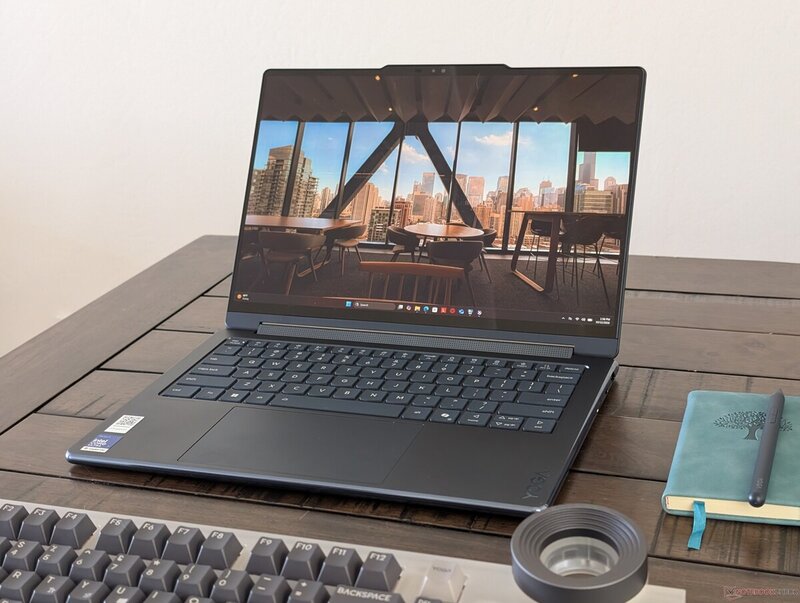
Lenovo has updated its Yoga 9 convertible laptop with a 120 Hz touchscreen, making scrolling and stylus input feel smoother than on the previous model. The new version keeps a similar design but upgrades its processor from Intel’s Lunar Lake to Panther Lake.
The screen resolution has dropped from 4K to 3K, but the higher refresh rate should make everyday use feel more responsive, particularly when taking notes or drawing with a stylus. The processor upgrade is less impressive, however, as Lenovo has opted for U-series chips rather than the more powerful Panther Lake options available in some rival convertibles.
The changes make the Yoga 9 a more appealing option for people who prioritise smooth touch controls, note-taking and everyday productivity. However, those upgrading from last year’s model may find less of a performance boost than they would expect from a new premium laptop.
Image Credit: Lenovo
What Makes This Trend Stand Out
- High-refresh Touchscreens
- Smoother 120 Hz displays are reshaping premium convertible expectations by making pen input, scrolling, and gesture-based workflows feel more natural for productivity users.
- Stylus-first Productivity
- Digital note-taking and sketching are becoming central laptop use cases, creating room for devices optimized around low-latency input rather than raw computing power.
- Balanced Premium Upgrades
- Incremental hardware changes highlight a growing market gap for premium devices that prioritize perceived responsiveness, battery efficiency, and usability over headline specifications.
Sectors Adopting This
- Consumer Electronics
- Laptop makers are differentiating convertible models through tactile screen performance and creator-friendly features as traditional processor upgrades become less compelling.
- Digital Productivity Software
- Note-taking, drawing, and annotation platforms can benefit from hardware advances that make stylus interactions more fluid and everyday workflows more seamless.
- Education Technology
- Convertible laptops with responsive touchscreens support hybrid learning environments where handwritten notes, diagrams, and interactive coursework are increasingly important.