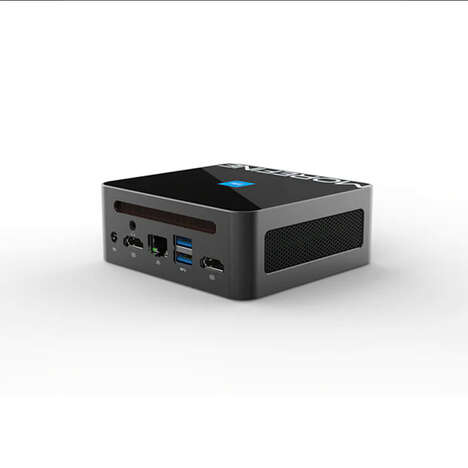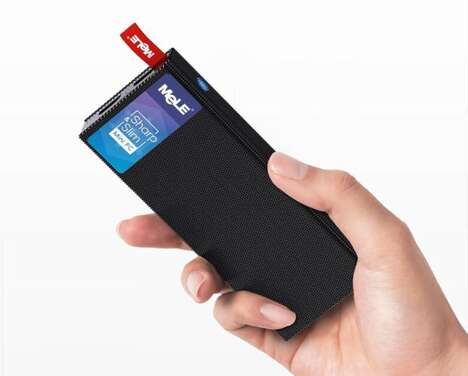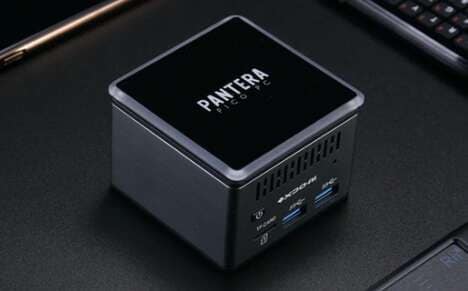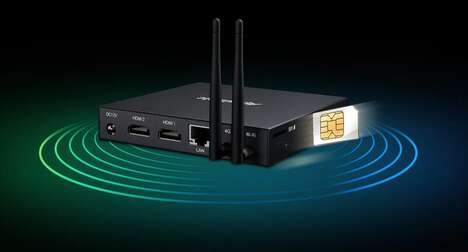


The Stick 300 is a contraption that looks like little more than an unusually large memory stick, but is actually a full fledged Windows PC. This device offers pretty reasonable specs at a very reasonable price point compared to competitors.
Developed by Lenovo, the Stick 300 is equipped with 32 GB of storage and 2 GB of RAM, and is powered by an Intel Atom Processor. Shipping with Windows 8.1, this unique computer offers decent connectivity what with WiFi and Bluetooth 4.0 both available. A microSD card slot allows users to expand on the Stick 300's onboard storage space.
The Stick 300 will surely appeal to anyone who is looking for a highly portable Windows computer solution and doesn't necessarily require the most advanced of tech specs for their specific use.
Why This Trend Is Growing
- Miniature Personal Computers
- The development of memory stick-sized computers like the Stick 300 opens up opportunities for ultra-portable computing and convenience.
- Affordable PC Solutions
- The Stick 300's reasonable price point compared to competitors signals an opportunity for more affordable personal computer options in the market.
- Enhanced Connectivity
- With WiFi and Bluetooth 4.0, the Stick 300 demonstrates the potential for improved connectivity in small form-factor PCs.
Industries Being Reshaped
- Consumer Electronics
- The rise of miniature personal computers like the Stick 300 will impact the consumer electronics industry by offering portable computing options to a wider audience.
- Computer Hardware
- Affordable PC solutions, exemplified by the Stick 300, present disruption opportunities for the computer hardware industry to develop cost-effective components without sacrificing performance.
- Mobile Computing
- The Stick 300's enhanced connectivity capabilities hint at the potential for advancements in mobile computing, allowing for more seamless connectivity on-the-go.