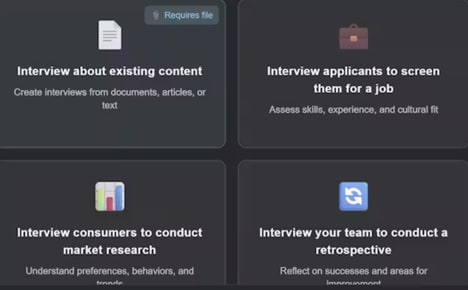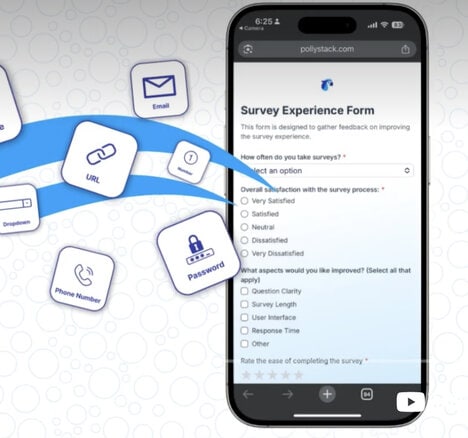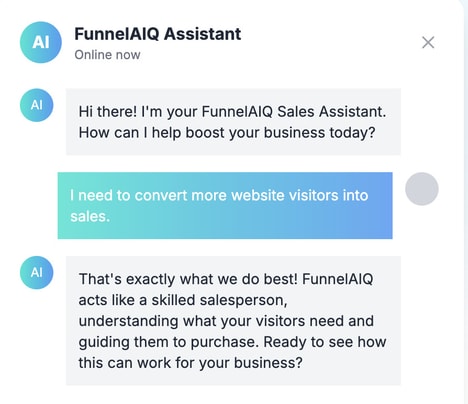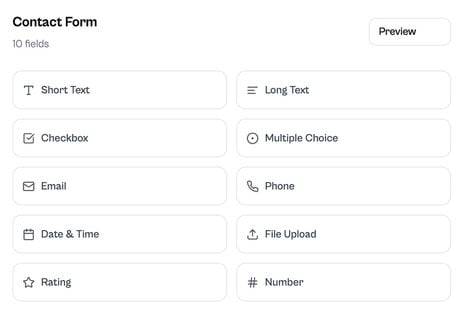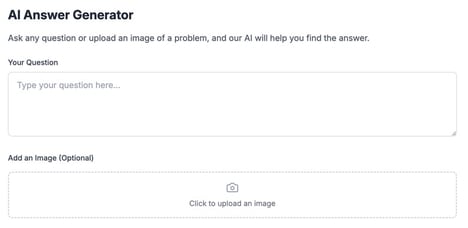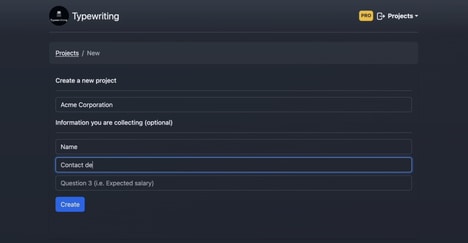
Traditional forms can feel repetitive and impersonal, which can make people lose interest before completing them or provide only brief answers. Unquestion replaces static forms with AI-powered conversations that adapt based on each person's responses. The system can ask follow-up questions and dig deeper when more information is needed, creating a more natural interaction than a fixed list of questions.
This approach is designed to keep people engaged and encourage more detailed responses throughout the process. Rather than leaving businesses with long conversation transcripts to analyse, Unquestion turns responses into clean, structured data presented in tables. This makes the information easier to organise, review, and use in other workflows. By combining conversational AI with structured data collection, Unquestion aims to make forms more engaging for respondents while producing more useful information for the people collecting it.
Image Credit: Unquestion
What's Driving This Trend
- Adaptive Data Collection
- AI-driven questioning transforms rigid intake flows into responsive exchanges that capture richer context while preserving structured outputs for analysis.
- Conversational Form Interfaces
- Natural dialogue formats reduce friction in surveys, onboarding, and feedback tools by making digital forms feel more personal and dynamic.
- Structured AI Outputs
- Automated conversion of open-ended conversations into organized tables creates new value where qualitative responses need to feed directly into business workflows.
Who This Affects Most
- Market Research
- Research teams gain more nuanced respondent insights when AI can probe answers in real time while still delivering clean datasets for segmentation and reporting.
- Human Resources
- Recruiting, employee feedback, and onboarding processes benefit from adaptive prompts that reveal deeper candidate or workforce information without increasing manual review burdens.
- Customer Experience
- Support, satisfaction, and product feedback programs become more actionable as conversational collection tools uncover customer intent and summarize it into usable operational data.