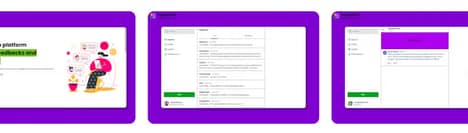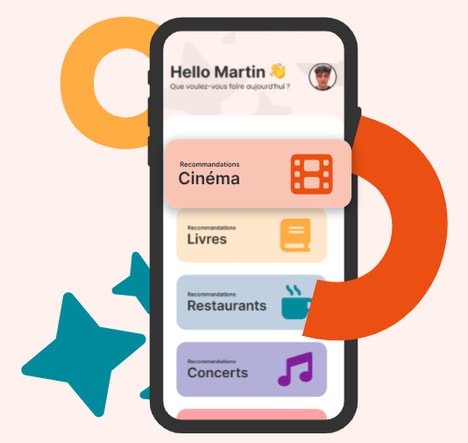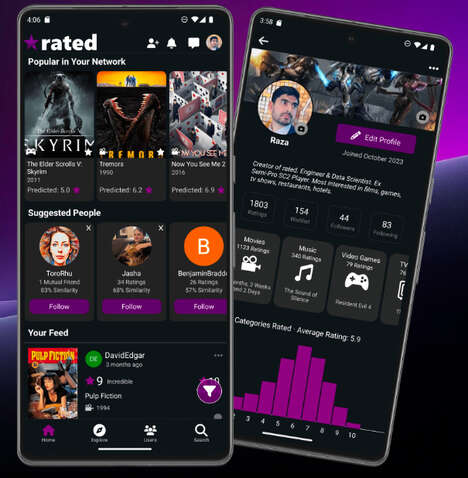
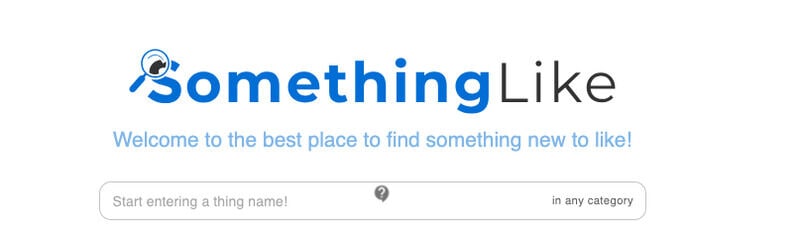
Something Like is a community-driven platform that is designed to gather and share recommendations across various categories. Unlike traditional personalized recommendation systems that focus on conversions, Something Like emphasizes genuine, user-generated insights in a wiki-style format.
Users contribute recommendations for products, services, and experiences, making it a crowdsourced database for individuals seeking authentic advice. The platform's structure promotes transparency, allowing users to engage with and review recommendations freely. With its non-commercial approach, Something Like shifts the focus from sales-driven suggestions to community-based guidance, fostering a collaborative environment for discovering new opportunities. This could be a valuable tool for businesses aiming to harness authentic community feedback and improve decision-making processes in product development or service offerings.
Image Credit: Something Like
Why This Trend Is Growing
- User-generated Platforms
- Platforms built on user-generated content are shifting the dynamics of recommendation systems by prioritizing authenticity and community insights over commercial interests.
- Transparency-driven Engagement
- The emphasis on transparency within recommendation platforms is disrupting traditional models by enabling open user interactions and verifiable reviews.
- Crowdsourced Knowledge Bases
- Crowdsourced databases are transforming how individuals access genuine recommendations, allowing for more trustworthy decision-making.
Industries Being Reshaped
- Digital Content Platforms
- The rise of community-driven recommendation platforms is reshaping the digital content industry by introducing transparent and collaborative environments for users.
- E-commerce
- E-commerce platforms are being influenced by community-powered recommendations, focusing on authentic user insights to enhance consumer trust and engagement.
- Social Networking
- Social networking services are integrating community-driven recommendations to foster interactive and trust-based user communities.