The Social Cave project was created by the Research Lab Non-linear Solutions Unit at GSAPP Columbia University. The Salone Satellite Furniture Fair chief curator Marva Griffin came up with a brilliant idea that would give students a chance to explore their talents. Caterina Tiazzoldi was the project leader and Mirko Arcese and Luca Blada were the interaction designers for this endeavor. The idea of the project came about with the question of where design was heading in the future.
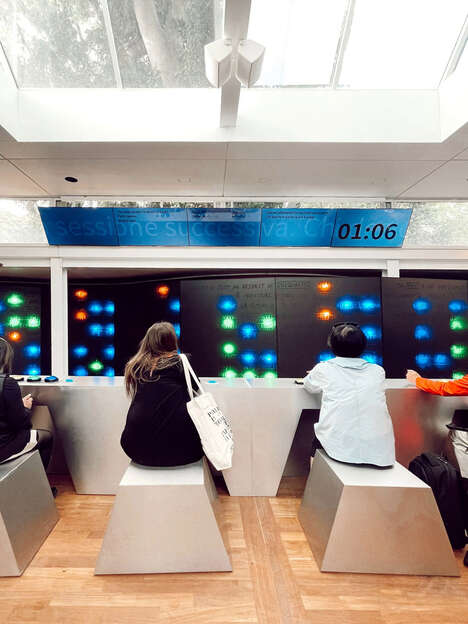
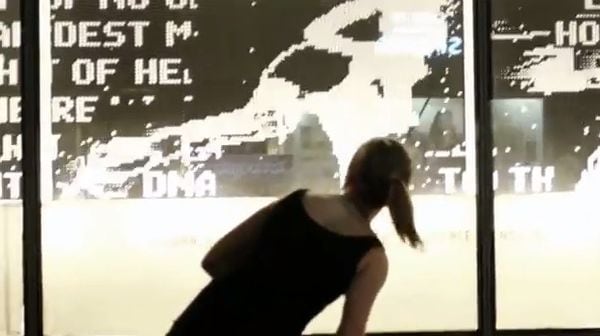
The Social Cave project was on display at the Furniture Fair in Milan and ended up being a great success. People would walk into the cave and explore what the creators called a “new frontier of socialization,” where visitors interacted with projected shadows. The Social Cave is made out of recycled foam and merges physical and virtual space. The designers wanted to see if this merger would encourage “a new platform for interaction.”
What Makes This Trend Stand Out
- Projected Shadow Interaction
- Disruptive innovation opportunity: Expanding the use of projected shadows in various industries to create unique and interactive experiences.
- Designs of the Future
- Disruptive innovation opportunity: Exploring new design concepts and materials to create innovative products and spaces.
- Merging Physical and Virtual Space
- Disruptive innovation opportunity: Developing technologies and platforms that seamlessly integrate physical and virtual environments for enhanced user experiences.
Sectors Adopting This
- Furniture and Interior Design
- Disruptive innovation opportunity: Incorporating projected shadow interaction technology into furniture and interior design to create dynamic and immersive spaces.
- Entertainment and Media
- Disruptive innovation opportunity: Applying projected shadow interaction in entertainment and media, such as immersive gaming experiences or interactive storytelling.
- Technology and Hardware
- Disruptive innovation opportunity: Developing advanced projection technologies and hardware that enable realistic and seamless integration of physical and virtual elements.