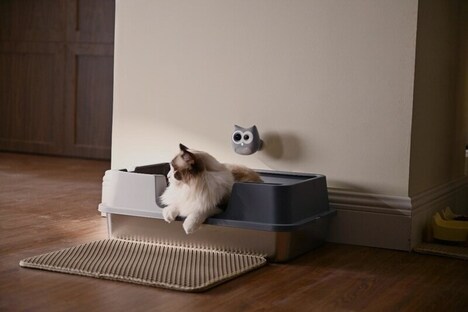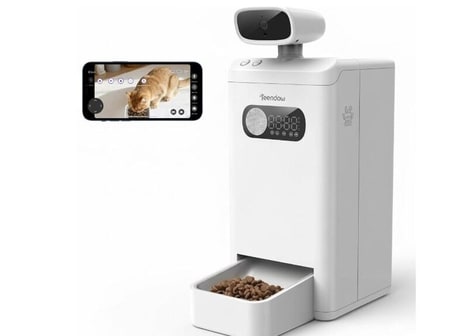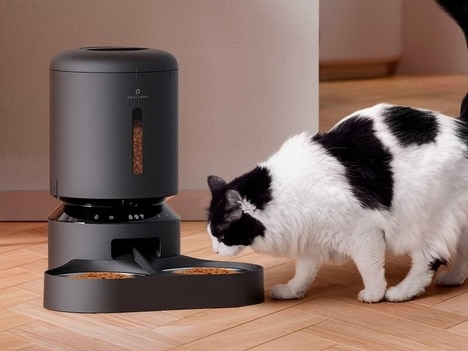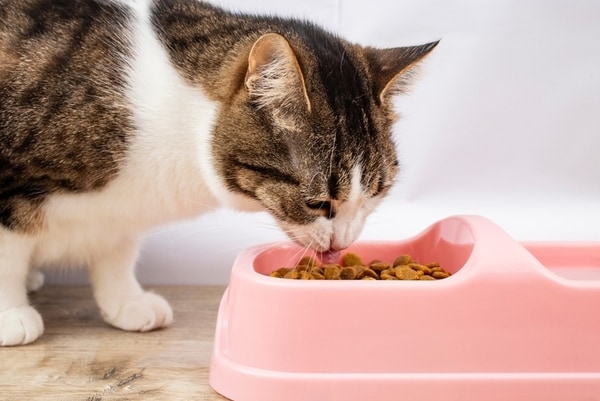

AI-Tails is introducing an AI-powered smart feeding station for cat owners. The innovation integrates artificial intelligence into a pet's food bowl to monitor the furry companion's well-being.
AI-Tails' AI-powered smart feeding station uses sensors and pattern recognition algorithms to analyze a cat's behavior and physical metrics during the day. The objective of this highly technical process is to identify subtle deviations that may indicate the early onset of health issues.
AI-Tails promotes its AI-powered smart feeding station as a shift from reactive veterinary care, which often addresses problems only after clear symptoms appear, to a more proactive model where pet owners receive data-driven alerts that could potentially enable earlier medical intervention. This approach is framed within values of trust, compassion, and a desire to make healthcare less stressful for both pets and their human caregivers.
Image Credit: AI-Tails
What's Driving This Trend
- Proactive Pet Health Monitoring
- Shifting from traditional reactive approaches to proactive health monitoring in pets offers potential for reducing healthcare costs and improving pet longevity.
- AI-driven Personalized Pet Nutrition
- Leveraging AI to tailor nutrition plans based on individual pet behavior and health data represents a significant advancement in pet dietary management.
- Smart Home Companion Devices
- The integration of AI-empowered devices into home environments for pet care introduces new dimensions in smart home connectivity and user interaction.
Who This Affects Most
- Pet Healthcare Technology
- Innovations in utilizing AI for pet health open new avenues for early diagnosis and personalized treatment plans.
- Consumer Iot for Pets
- The development of IoT devices focused on pet care underscores the growing intersection between technology and everyday pet ownership.
- AI Solutions in Veterinary Science
- Incorporating AI technology in veterinary science enhances the capability of professionals to provide timely and data-driven care.