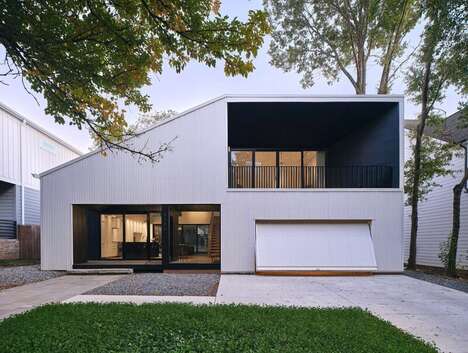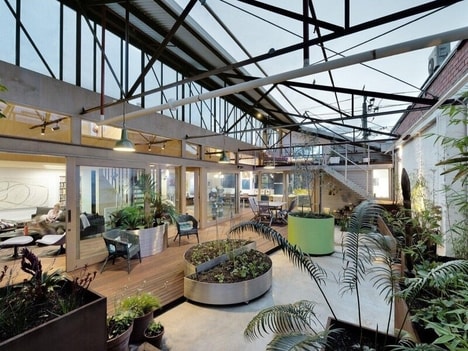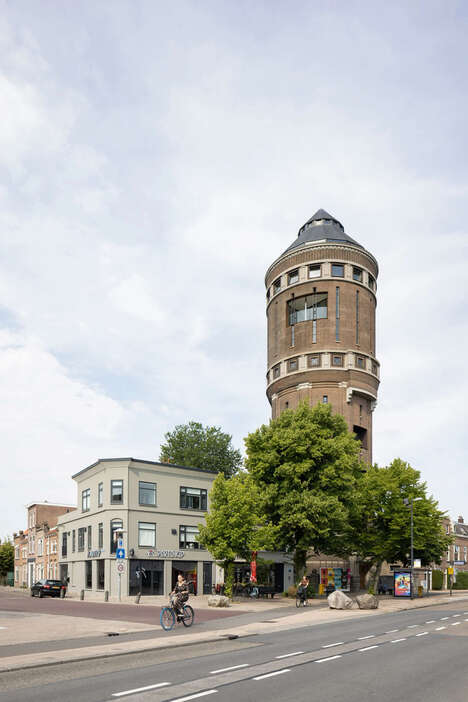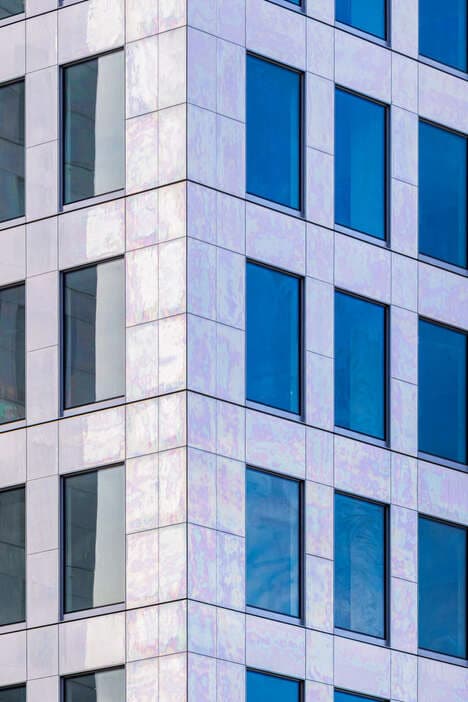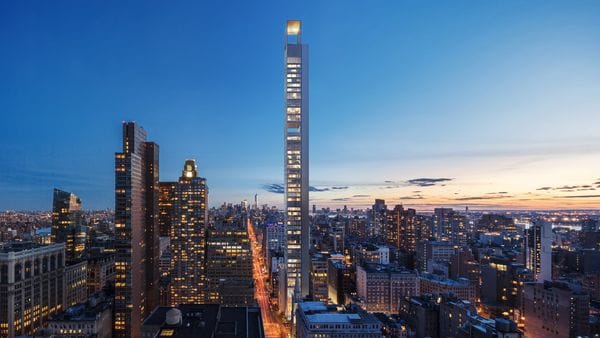
The Silo is a spectacularly eye-catching Danish high-rise building, intended specifically for residential use, that is a galvanized and fully refurbished reincarnation of a building that was previously used a silo for the storage of enormous amounts of grain.
Envisioned and executed by COBE Architects, this high-rise building features a galvanized steel facade that belies its previous agricultural look, although the building's heritage was fully respected by keeping significant portions of its interior, which lend the inside of the space a unique character. The building will comprise 38 apartments, while its top floor will play host to a restaurant offering 360-degree views of the city of Copenhagen.
With its combination of agriculturally inspired interior design language and a sleek, modern facade, The Silo building proves that industrial and modern architecture can elegantly fit together in the same package.
What Makes This Trend Stand Out
- Galvanized High-rise Buildings
- The trend of transforming industrial structures into modern high-rise buildings provides opportunities for disruptive innovation in architectural design and sustainable urban development.
- Agriculturally Inspired Interior Design
- The trend of incorporating agricultural elements into interior design offers opportunities for disruptive innovation in creating unique and visually striking living spaces that honor the building's heritage.
- 360-degree View Restaurants
- The trend of rooftop restaurants offering panoramic views provides opportunities for disruptive innovation in the culinary industry, creating memorable dining experiences in elevated locations.
Sectors Adopting This
- Architecture
- The architecture industry can explore disruptive innovation in transforming existing industrial structures into galvanized high-rise buildings that merge industrial heritage with modern design.
- Interior Design
- The interior design industry can embrace disruptive innovation by incorporating agricultural elements into their designs, creating distinctive living spaces that pay homage to a building's history.
- Hospitality
- The hospitality industry can seize disruptive innovation opportunities by creating rooftop restaurants with 360-degree views, offering customers unique dining experiences in elevated settings.