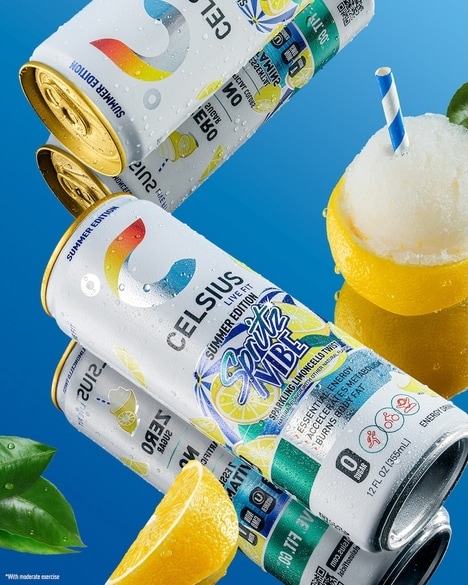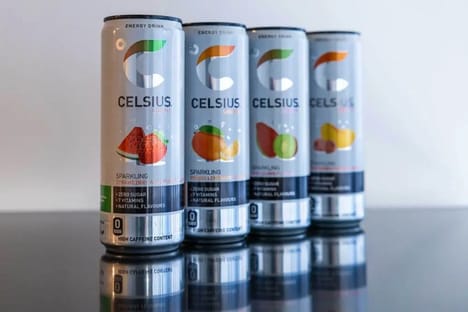
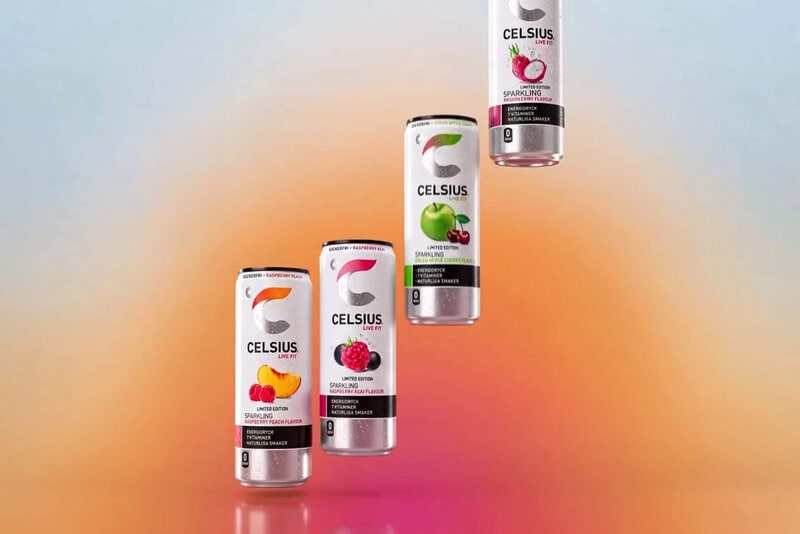
Celsius Sweden is giving its energy drinks a more compact makeover with a new 250ml can, available for a limited run. Rather than adding another flavour to the lineup, the brand is putting familiar options, including Raspberry Peach and Dragon Fruit, into a smaller format designed for a quicker drink.
The new can contains five calories and 140mg of caffeine, keeping the drink sugar-free while reducing the caffeine from its larger format. The shift puts the focus on portion size and convenience, offering a more measured alternative without changing the core formula.
For Celsius fans, the smaller can offers an option for shorter breaks, quicker commutes or moments when a full-size energy drink feels like too much. It also taps into the growing appeal of more compact, portion-controlled formats.
Image Credit: Celsuis
What's Driving This Trend
- Compact Energy Formats
- Smaller ready-to-drink cans create room for energy brands to serve short consumption moments without requiring new flavors or formulas.
- Measured Caffeine Portions
- Portion-controlled caffeine products reflect growing interest in functional beverages that balance stimulation with moderation and daily routine fit.
- Limited-run Packaging
- Temporary size variations can refresh established product lines while testing demand for convenience-led formats in lower-risk ways.
Who This Affects Most
- Functional Beverages
- Energy drink makers have opportunities to differentiate through format, dosage, and occasion-based positioning rather than relying only on flavor expansion.
- Convenience Retail
- Compact cans support impulse purchases for commuters, office workers, and shoppers seeking quick functional refreshment in smaller quantities.
- Consumer Packaging
- Resized packaging formats can reshape perceived value, portability, and consumption control across mature beverage categories.