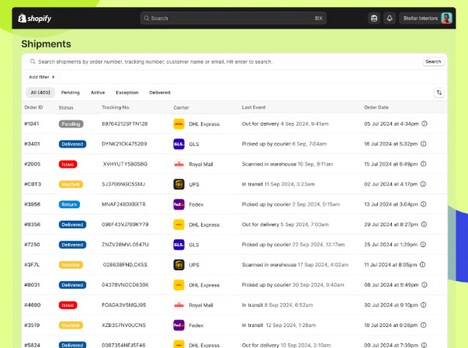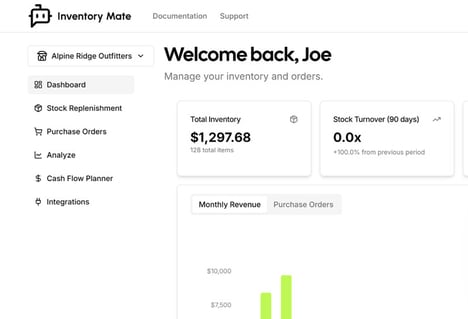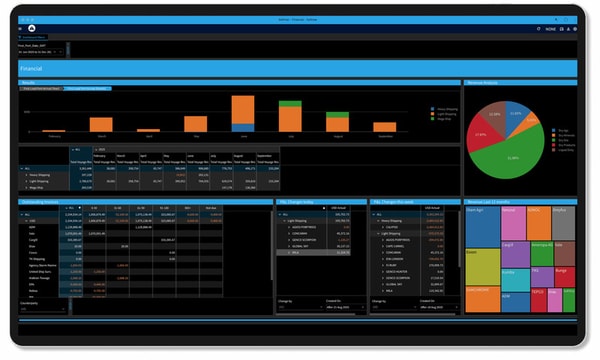

ShipRocket is an integrated logistics and shipping platform that is designed for eCommerce businesses, providing tools to manage shipping, fulfillment, and inventory from a single interface. The platform consolidates multiple courier services, enabling users to compare rates, generate shipping labels, and track deliveries in real time.
In addition to shipping management, it offers inventory oversight, order processing, and automated notifications, streamlining operational workflows for online retailers. By centralizing these functions, ShipRocket aims to reduce manual effort, improve delivery efficiency, and enhance the overall customer experience. Its focus on automation and integration makes it relevant for small to medium-sized businesses looking to optimize logistics without maintaining separate systems for fulfillment, shipping, inventory management, and much more.
Image Credit: ShipRocket
What Makes This Trend Stand Out
- Unified Shipping Hubs
- Centralized platforms that combine shipping, fulfillment, and inventory create potential for end-to-end logistics consolidation that reduces redundancy and streamlines cross-functional data flows.
- Automated Inventory Orchestration
- Real-time inventory oversight tied to order processing and fulfillment workflows reveals opportunities for predictive stocking and dynamic allocation based on demand signals.
- Courier Aggregation Platforms
- Multi-carrier comparison and routing services expose possibilities for algorithmic rate optimization and delivery-path selection that lower costs and improve SLA compliance.
Sectors Adopting This
- Small and Medium Ecommerce
- SMB retailers that adopt integrated logistics tools may experience streamlined operations and reduced overhead from replacing disparate systems with a single interface.
- Third-party Logistics (3PL)
- Third-party providers stand to be disrupted by platforms that commoditize fulfillment orchestration and enable direct access to diverse carrier networks via APIs.
- Saas Supply Chain Software
- Cloud-native supply chain vendors could be reshaped by solutions that bundle shipping, inventory, and order management into unified SaaS offerings with embedded automation.