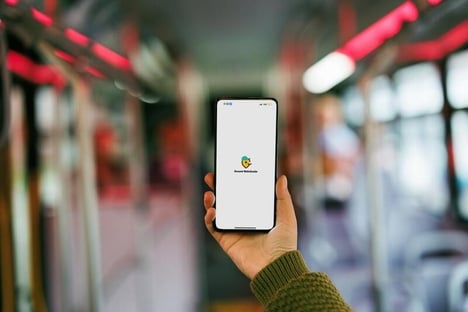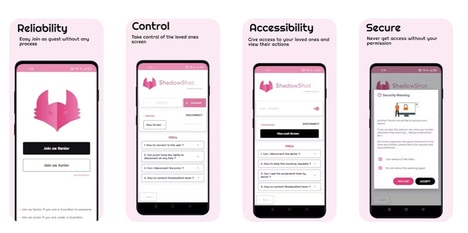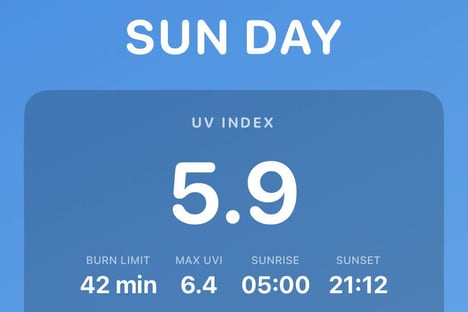

ShadySide is a travel utility designed to help passengers select seating positions that minimize exposure to direct sunlight during journeys. The platform uses real-time sun positioning data to determine which side of a vehicle—such as a bus or train — will receive the most sunlight at a given time and route.
By combining route information with solar movement calculations, the tool provides guidance on seat selection to improve comfort and reduce glare during travel. From a business perspective, ShadySide illustrates how specialized digital tools can address small but common user frustrations through data-driven insights. The platform reflects a broader trend toward micro-utility applications that enhance everyday experiences by applying environmental data and predictive analysis, helping travelers make more informed decisions when planning commutes or longer trips.
Image Credit: ShadySide
What's Driving This Trend
- Personalized Micro-utility Apps
- A surge in compact, task-specific apps that leverage contextual data to solve everyday annoyances could redefine user expectations for travel conveniences.
- Environmental-aware Travel Planning
- Integration of environmental factors like sun exposure, wind, and temperature into trip planning enables more comfortable and predictable passenger experiences.
- Real-time Geo-solar Analytics
- Combining GPS routing with solar-position algorithms in real time generates new datasets for optimizing seating, vehicle orientation, and onboard layouts.
Who This Affects Most
- Public Transit Operators
- Transit agencies could leverage predictive sunlight mapping to influence scheduling, fleet layout, and seat reservation features that enhance rider comfort.
- Travel Booking Platforms
- Online travel services that incorporate micro-environmental preferences can differentiate offerings by matching passengers to optimal seats, times, or vehicle options.
- Automotive and Mobility Services
- Rideshare fleets and autonomous vehicle providers may benefit from sun-aware routing and cabin configuration data to improve passenger satisfaction and perceived service quality.