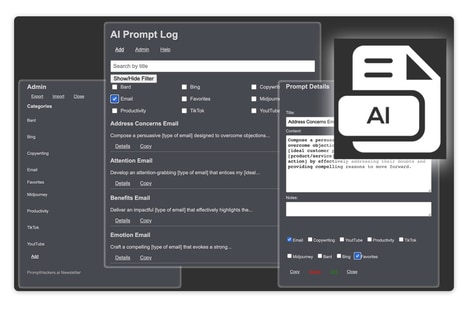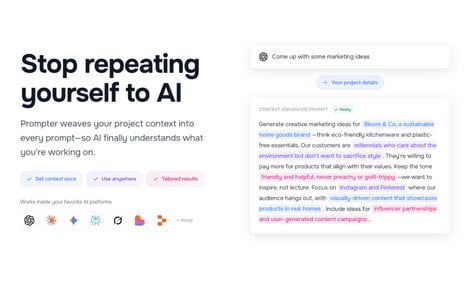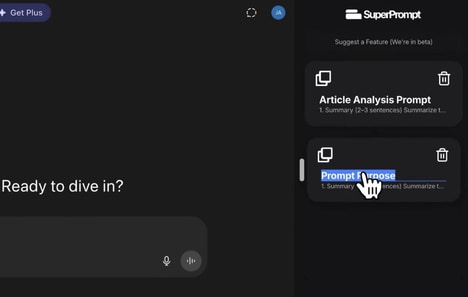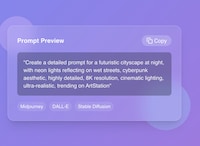

Writing effective system prompts can take time, particularly when prompts need to be tailored to specific tasks or AI models. Scop.ai generates task- and model-specific system prompts for leading large language models in just seconds. Users can also browse more than 200 tested prompt templates for inspiration or adapt them to suit their needs. The platform includes shared prompt collections, allowing teams to collaborate and organise prompts in one place.
Scop.ai is designed to make prompt creation more structured and accessible for both individuals and teams. It offers a central workspace for creating, testing, discovering, and sharing AI prompts. This can help users spend less time experimenting with prompts and more time getting useful results from their chosen AI models.
Image Credit: Scop.ai
What's Driving This Trend
- Prompt Workflow Automation
- Structured prompt-building tools reduce trial-and-error for teams using multiple AI models, creating opportunities for faster, standardized deployment of generative AI workflows.
- Collaborative AI Workspaces
- Centralized libraries and shared collections make prompt development more transparent across organizations, supporting new productivity models for cross-functional AI adoption.
- Template-based AI Adoption
- Pre-tested prompt templates lower the barrier for non-technical users, enabling scalable access to specialized AI outputs without deep prompt engineering expertise.
Who This Affects Most
- Enterprise Software
- AI prompt management platforms can become embedded layers within workplace software stacks, improving consistency and governance for generative AI use.
- Knowledge Management
- Organized prompt repositories expand traditional knowledge systems by capturing reusable AI instructions alongside documents, workflows, and institutional expertise.
- Professional Services
- Consulting, legal, marketing, and research firms benefit from reusable prompt systems that standardize client deliverables while accelerating expert-driven tasks.