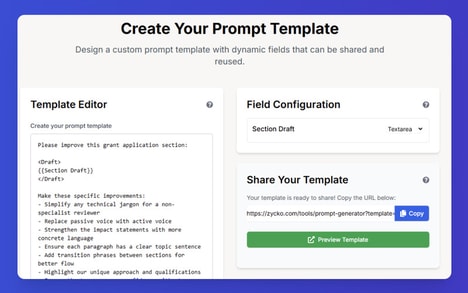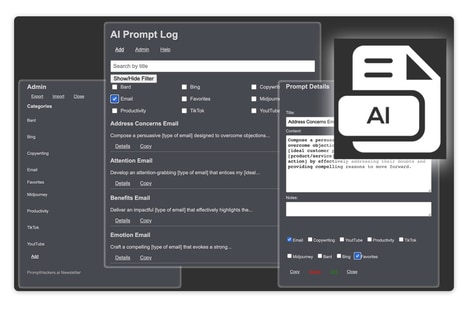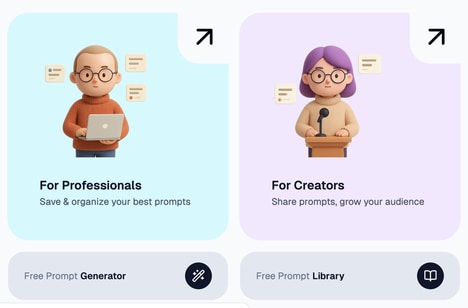
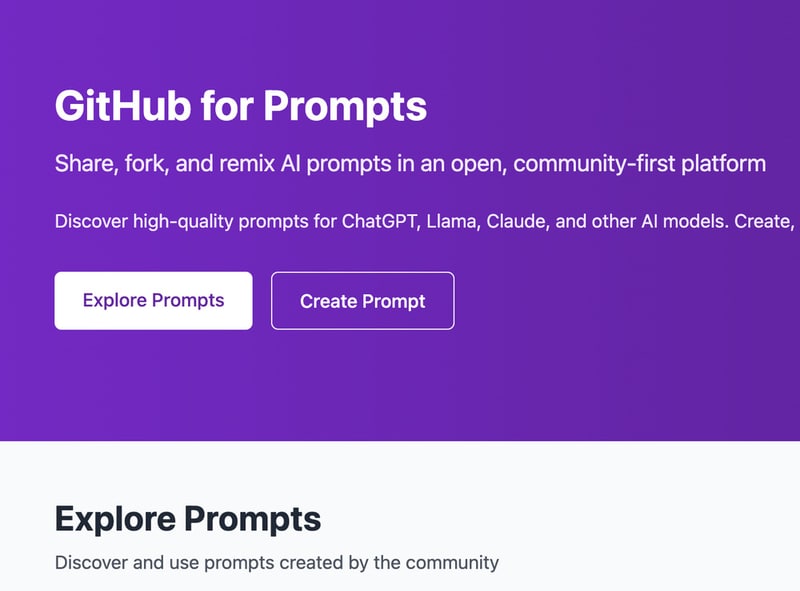
Prompt Hub operates within the AI collaboration and prompt engineering space, focusing on making prompts shareable, editable, and community-driven. Inspired by collaborative development platforms, it allows users to publish prompt repositories, fork existing ideas, and remix workflows for different AI tools and use cases.
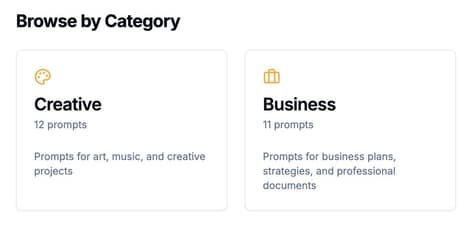
The platform creates a structured environment where prompts evolve through iteration and shared experimentation rather than remaining isolated personal notes. Users can browse public collections, organise their own libraries, and discover new approaches to writing, automation, research, coding, and creative generation. By treating prompts like reusable digital assets, Prompt Hub transforms AI interaction into a collaborative ecosystem shaped by community contribution and adaptation. The repository-style structure encourages exploration, experimentation, and versioning, making prompt creation feel closer to open-source collaboration. Prompt Hub positions AI workflows as something users can collectively build, refine, and expand together over time.
Image Credit: Prompt Hub
Why This Trend Is Growing
- Prompt Marketplace
- A centralized market for curated, rated prompts creates potential for new monetization models and micro-economies around premium prompt assets and paid remix rights.
- Forkable AI Workflows
- Versioned, forkable prompt workflows enable collaborative experimentation that could lead to platform-native libraries of validated automation recipes across domains.
- Prompt Versioning and Provenance
- Traceable history and provenance metadata for prompts open possibilities for accountability, reproducibility, and compliance tooling tied to prompt origins and evolution.
Industries Being Reshaped
- Enterprise Software
- Shared prompt repositories present an opportunity to embed governance, access controls, and audited workflow templates into enterprise automation and knowledge-management stacks.
- Education and Training
- Curricula and instructor networks can leverage remixable prompt collections to standardize assessment, foster peer learning, and certify prompt-engineering competencies.
- Creative Media and Advertising
- Creative teams and agencies could benefit from collaborative prompt libraries that accelerate ideation, enable rapid A/B prompt testing, and capture creative provenance across campaigns.