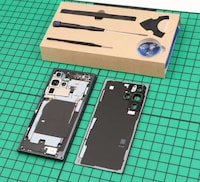

The Samsung Self Repair Program has been announced by the brand in collaboration with iFixit as a way to help consumers perform maintenance on some of their own mobile devices instead of having to rely on the brand. The program will be launched with the Samsung Galaxy S20, S21 and S7+ smartphones to start in the US, which will enable owners to perform a range of common repairs. This includes replacing displays, back glass and even charging ports with the ability to send the damaged components back to Samsung for responsible recycling.
The Samsung Self Repair Program was touted by Senior Vice President of Customer Care at Samsung Electronics America Ramon Gregory who said, "At Samsung, we’re creating more ways for consumers to extend the lifespan of our products with premium care experiences. Availability of self-repair will provide our consumers the convenience and more options for sustainable solutions.”
What's Driving This Trend
- Self-repair Programs
- Brands are collaborating with repair services to offer self-repair programs, giving consumers more options for sustainable solutions.
- Consumer Empowerment
- Self-repair programs empower consumers to take ownership of their mobile devices and perform maintenance themselves.
- Circular Economy
- Self-repair programs support circular economy initiatives by promoting responsible recycling and reducing e-waste.
Who This Affects Most
- Mobile Devices
- Mobile device manufacturers have the opportunity to offer self-repair solutions and empower consumers to extend the lifespan of their products.
- Repair Services
- Repair services can collaborate with brands to provide self-repair programs and expand their offerings to consumers.
- Sustainability
- Sustainability-focused industries can embrace self-repair programs as a way to support circular economy initiatives and reduce their environmental impact.