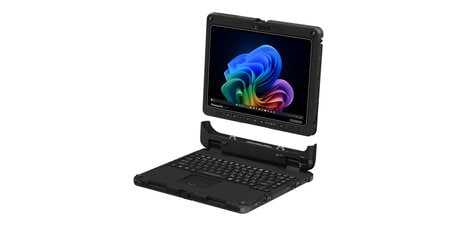
Getac added Red Hat Enterprise Linux certification to three rugged devices, giving defense, public safety and utility organizations a tested Linux option for fieldwork. The certification covers the ‘UX10’, ‘G140’ and ‘V120’, and all three are now listed in the Red Hat Ecosystem Catalog.
Customers load the operating system after delivery, so IT teams can set their own security rules and configurations. The certification covers Red Hat Enterprise Linux 10.2 and later 10.x releases. For the UX10 tablet and V120 laptop, this provides IT teams with a verified software path without replacing hardware.
By certifying Red Hat Enterprise Linux on rugged devices, Getac also gives IT teams a verified Linux option alongside Windows on identical hardware, with all three models listed in the Red Hat Ecosystem Catalog.
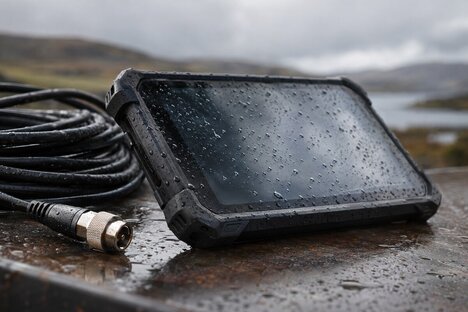
Image Credit: AI-generated
What's Driving This Trend
- Certified Rugged Linux
- Enterprise-grade Linux validation on durable field hardware creates room for standardized, secure deployments across harsh operating environments.
- Dual-platform Field Devices
- Identical rugged hardware supporting both Windows and Linux reflects a shift toward flexible operating system strategies for mission-critical teams.
- Configurable Secure Computing
- Post-delivery operating system installation enables organizations to align device configurations with internal cybersecurity policies and compliance needs.
Who This Affects Most
- Defense Technology
- Rugged Linux-certified computers support secure, interoperable systems for military field operations and tactical data workflows.
- Public Safety
- Police, fire and emergency response agencies gain more resilient computing options for mobile command, reporting and real-time coordination.
- Utilities
- Field crews in energy, water and infrastructure sectors benefit from hardened devices capable of supporting secure Linux-based operational applications.