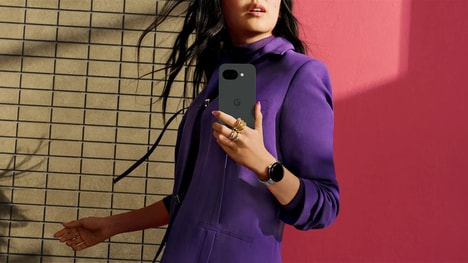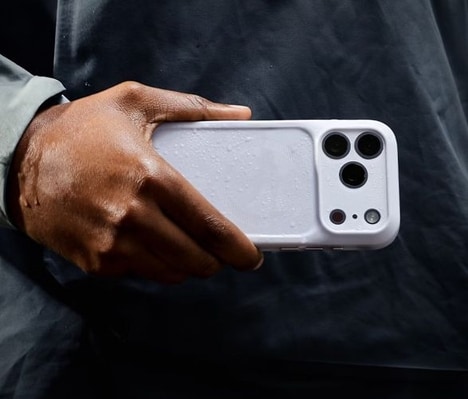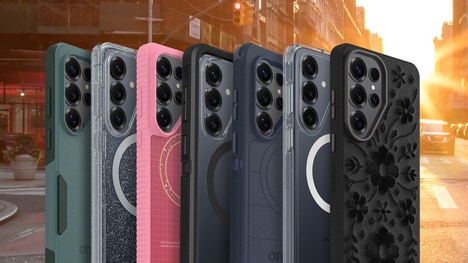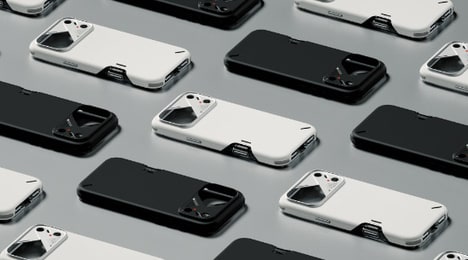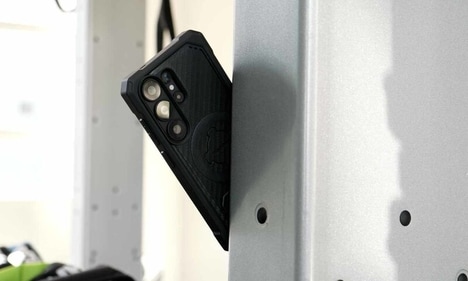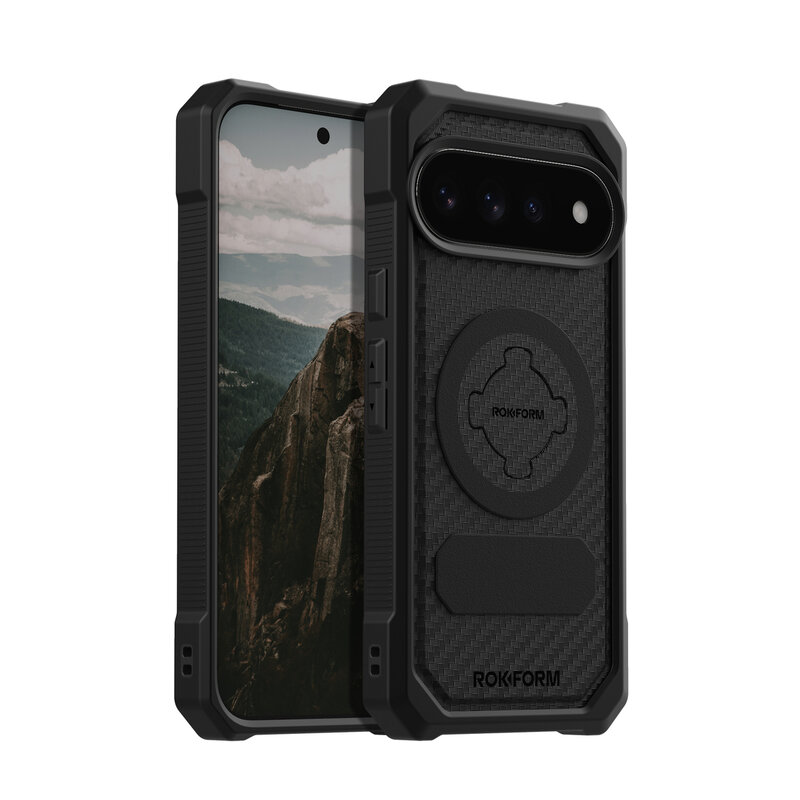
ROKFORM, a California-based designer and manufacturer of protective mobile accessories, has introduced its Rugged Case specifically for the Google Pixel 11 Pro XL — a dual-compound polycarbonate and TPU shell that offers military-grade drop protection from heights of up to six feet. The design also boasts reinforced corners, a raised camera bezel to guard the lens, and textured side rails for improved grip.
ROKFORM's Rugged Case incorporates the company's patented RokLock twist-lock system for secure attachment to vehicle, bicycle, and motorcycle mounts, alongside MAGMAX N52 magnets that provide significantly stronger hold than standard MagSafe equivalents, plus an additional lower magnet that allows attachment to various metal surfaces.
The Google Pixel 11 Pro XL represents a significant financial investment, and the case offers a high level of protection against drops, bumps, and scratches without turning the phone into an unwieldy brick.
Image Credit: ROKFORM
Why This Trend Is Growing
- Magnetic Mount Ecosystems
- Stronger embedded magnets and twist-lock hardware are reshaping phone cases into interoperable platforms for vehicles, bikes, motorcycles, and metal-surface use cases.
- Slim Rugged Protection
- Dual-compound materials and reinforced corners show how accessory brands can deliver military-grade durability without sacrificing pocketability or everyday ergonomics.
- Device-specific Premium Cases
- High-value flagship phones are creating demand for precision-fit accessories that protect cameras, improve grip, and preserve the feel of the original device.
Industries Being Reshaped
- Mobile Accessories
- Protective cases are evolving beyond scratch prevention into high-performance utility products with mounting, magnetic attachment, and durability features built in.
- Consumer Electronics
- As smartphones become larger and more expensive, companion products that extend device lifespan and usability are gaining stronger relevance in the purchase ecosystem.
- Micromobility and Automotive
- Secure phone-mounting systems for cyclists, motorcyclists, and drivers point to growing crossover between mobile protection and hands-free navigation infrastructure.