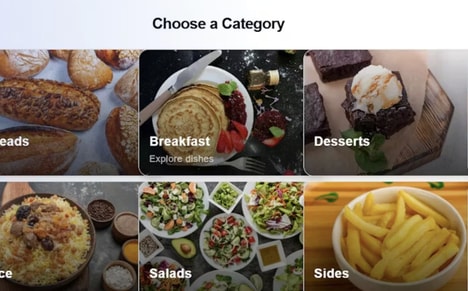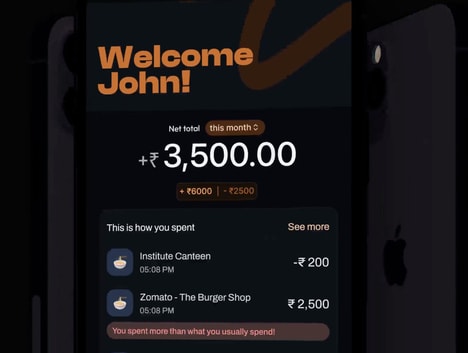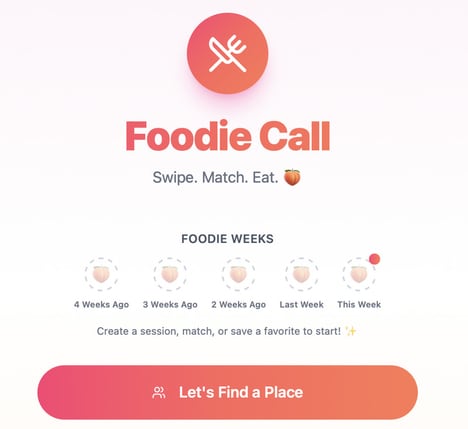
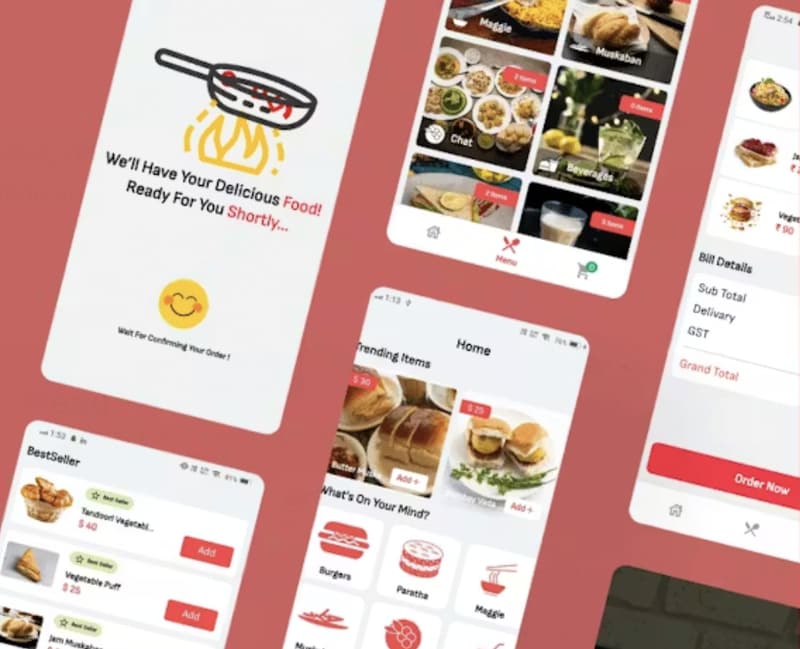
Restaurant Food Ordering App with QR Code Menu positions itself within the growing market for ready-made app templates, targeting developers and entrepreneurs in the hospitality sector. Built on Flutter, it offers full source code access, enabling customization and faster deployment compared to building from scratch.
From a business perspective, it reflects continued demand for digital ordering solutions, particularly QR-based menus that gained traction during shifts toward contactless dining. The product’s value lies in reducing development time and technical barriers for launching branded ordering systems. It also aligns with the broader trend of template-driven software development, where speed-to-market is prioritized. Its long-term relevance will likely depend on code quality, scalability, and how easily it can adapt to evolving restaurant workflows and integrations such as payments, inventory, and customer management systems.
Image Credit: Restaurant Food Ordering App
Key Themes Behind This Trend
- Template-driven Development
- Prebuilt app templates reduce time-to-market and enable nontechnical operators to deploy branded ordering systems at scale, creating potential for turnkey platforms that commoditize custom development.
- Contactless Qr Ordering
- Growing customer preference for QR-based menus is shifting order and payment flows away from staff-mediated interactions, opening room for integrated ecosystems that unify table-level ordering, loyalty, and analytics.
- Flutter-based Cross-platform Solutions
- The use of Flutter for full-source delivery standardizes UI and business logic across mobile and web, enabling modular components and marketplaces for interoperable plugins and vertical-specific integrations.
Where This Applies
- Restaurants and Hospitality
- Operators face pressure to adopt digital ordering that preserves brand experience, creating value for solutions that package configuration, workflow adaptation, and backend integrations for multi-unit deployment.
- Point of Sale and Payments
- Payment and POS providers are positioned to embed QR-native settlement and inventory synchronization, transforming transactional hardware into software-centric services with subscription revenue models.
- Software Development Tools
- Tooling vendors can capitalize on demand for customizable templates by offering low-code editors, plugin marketplaces, and CI/CD pipelines tailored to rapid, compliant deployment in regulated hospitality environments.