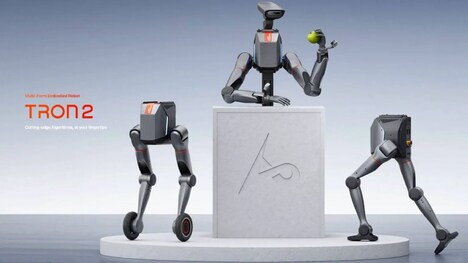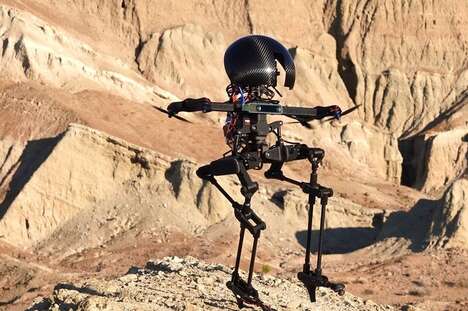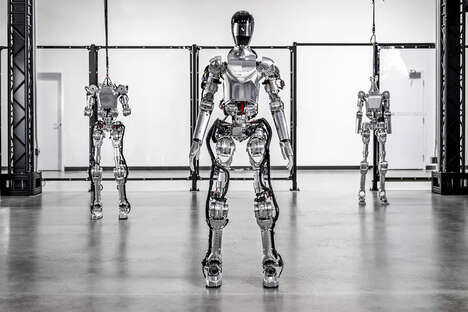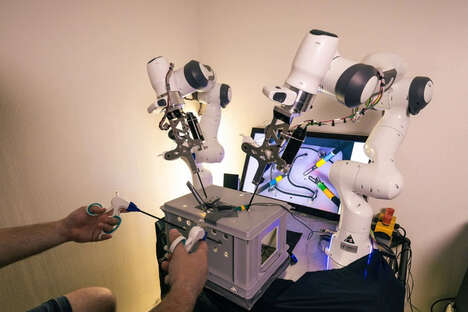
The Hermes is a remote-controlled robot, developed by a group of scientists and engineers at MIT, whose actions and reflexes can be controlled by a human being. This robot is noteworthy because it is physically a robot, even though its movements and actions are controlled by a human being.
The robot is capable of feeding back information about its balance and positioning in real time, allowing the human controller to adjust their feet and body accordingly. One of the major problems facing humanoid robots is keeping them upright on two feet.
The advantage of this remote-controlled robot is clearly the fact that human operators can control them in the field, as this arrangement brings together the intelligence and brain power of the human being and the physical advantages of the robot.
Key Themes Behind This Trend
- Remote-controlled Robotics
- Disruptive innovation opportunity: Develop more advanced remote-controlled robots with improved reflexes and physical capabilities.
- Real-time Feedback
- Disruptive innovation opportunity: Create systems that provide real-time feedback on balance and positioning for improved control and stability.
- Human-robot Collaboration
- Disruptive innovation opportunity: Explore ways to enhance collaboration between humans and robots, leveraging their respective strengths to accomplish complex tasks.
Where This Applies
- Robotics
- Disruptive innovation opportunity: Develop robotic systems that can be controlled remotely and leverage human intelligence for enhanced capabilities.
- Healthcare
- Disruptive innovation opportunity: Apply remote-controlled robots with real-time feedback capabilities in healthcare settings to assist with delicate procedures and patient care.
- Military & Defense
- Disruptive innovation opportunity: Utilize remote-controlled robots with advanced reflexes and real-time feedback for safer and more efficient operations in military and defense scenarios.