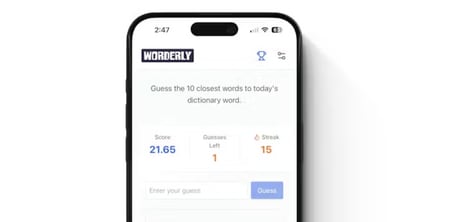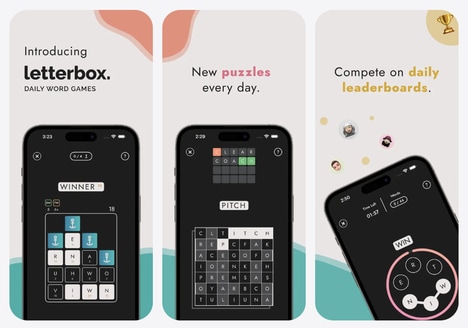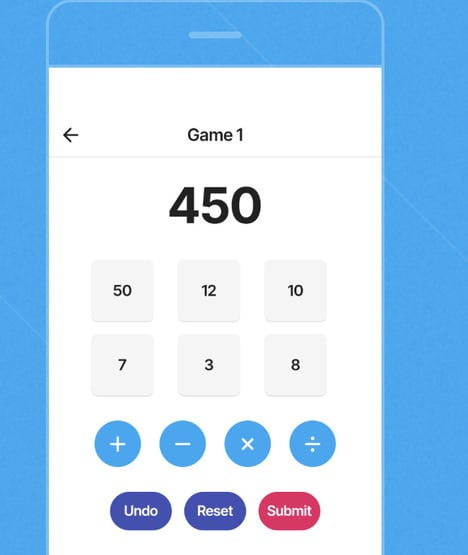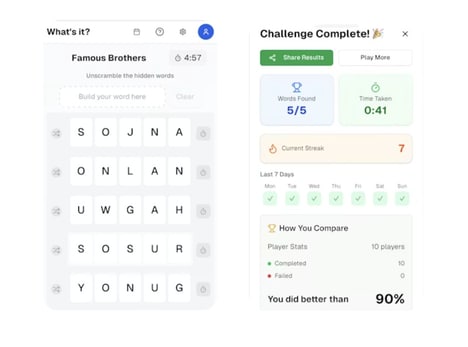
Wordplay becomes more engaging when it moves beyond simple definitions into structural thinking -- Redividers Daily Word Challenge builds on this idea by asking users to break a single word into multiple meaningful components to solve a prompt.
Each challenge presents a word-based puzzle where participants must split and reinterpret language creatively to complete the sentence correctly. This adds a layer of analytical thinking to vocabulary practice. The format is designed as a daily exercise, encouraging consistent engagement while strengthening pattern recognition and linguistic flexibility over time.
Redividers Daily Word Challenge is aimed at players who enjoy word games and mental puzzles. By combining daily structure with creative decomposition of language, it turns vocabulary into an interactive problem-solving exercise.
Image Credit: Redividers Daily Word Challenge
Key Themes Behind This Trend
- Decomposed Wordplay
- Breaking words into meaningful fragments creates a more analytical form of language play that expands vocabulary products beyond memorization.
- Daily Cognitive Micro-challenges
- Short recurring puzzle formats are reshaping user engagement by turning brief mental exercises into habitual learning experiences.
- Gamified Linguistic Flexibility
- Vocabulary games centered on reinterpretation and pattern recognition signal new potential for adaptive language-training platforms.
Where This Applies
- Edtech
- Language-learning tools with puzzle-based mechanics introduce richer pathways for skill development through interactive reasoning.
- Mobile Gaming
- Casual game formats built around daily word challenges offer differentiated retention models rooted in cognitive satisfaction rather than speed or competition.
- Cognitive Wellness
- Mental fitness products connected to linguistic problem-solving reflect growing demand for accessible exercises that support attention, memory, and flexible thinking.