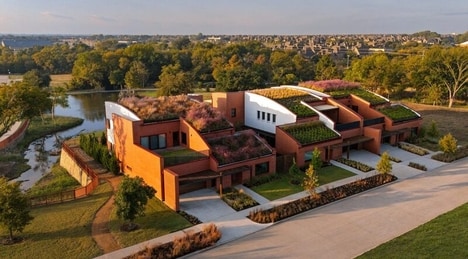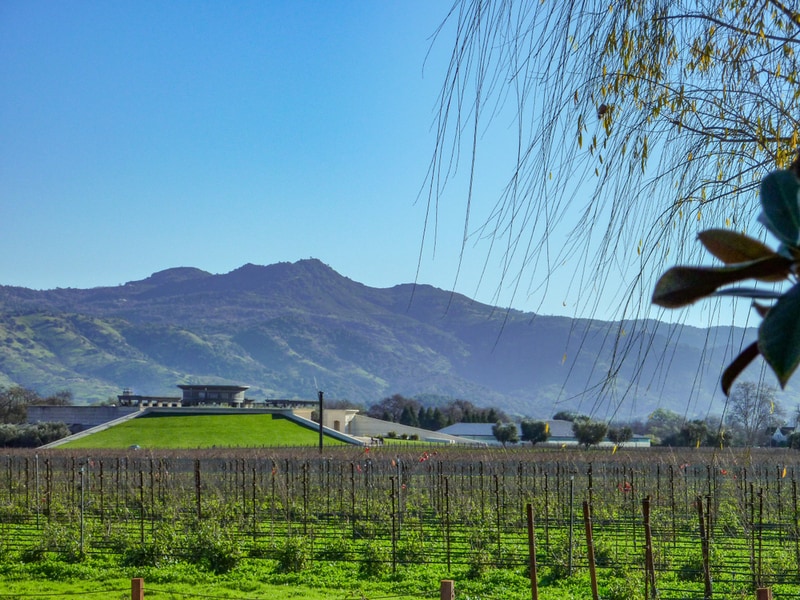
Opus One unveiled a major estate redesign on 11 May that replaced its manicured lawns with a drought-tolerant rooftop garden designed to significantly reduce irrigation needs. The Napa Valley winery collaborated with landscape architecture firm Reed Hilderbrand on the five-year project, installing thousands of native and pollinator-friendly plants, including Ceanothus and Westringia species, across more than an acre of rooftop space.
The redesign also introduced limestone pathways and sculpted earth forms throughout the central courtyard to create new spaces for outdoor tastings and events while visually connecting the estate to the surrounding Vaca Mountains. Opus One said the project supports its broader 2030 sustainability goals and follows the estate’s Butterfly Mark certification tied to environmental and social responsibility initiatives.
For visitors, the redesign creates a more environmentally conscious and nature-focused hospitality experience while reflecting broader shifts among luxury wine brands toward water-efficient landscaping, biodiversity and regenerative estate management.
Image Credit: Shutterstock/Meandering Trail Media
Why This Trend Is Growing
- Drought-tolerant Landscaping
- The adoption of native, low-water plant palettes that maintain aesthetic standards while dramatically lowering irrigation demand.
- Rooftop and Elevated Gardens
- Emergence of extensive rooftop plantings that transform underused roof space into functional, climate-resilient ecosystems connected to guest amenities.
- Biodiversity-centered Luxury Experiences
- A movement toward integrating pollinator-friendly habitats and sculpted natural features to enhance high-end visitor experiences and sustainability credentials.
Industries Being Reshaped
- Wine and Hospitality
- Luxury estates positioning sustainable landscapes as part of brand differentiation and extended on-site experiential offerings.
- Landscape Architecture and Design
- Design firms expanding into climate-adaptive specification and long-term ecological planning for commercial and hospitality clients.
- Green Building and Real Estate
- Developments increasingly valuing vegetated roofs and water-efficient grounds for resilience, certification potential, and market appeal.