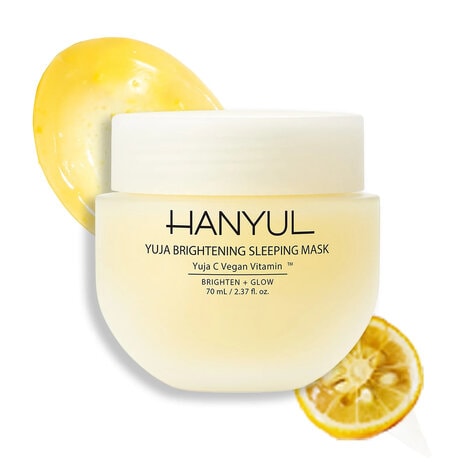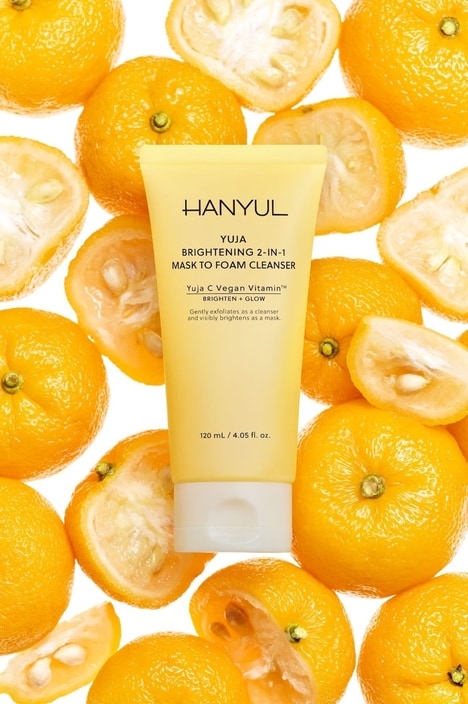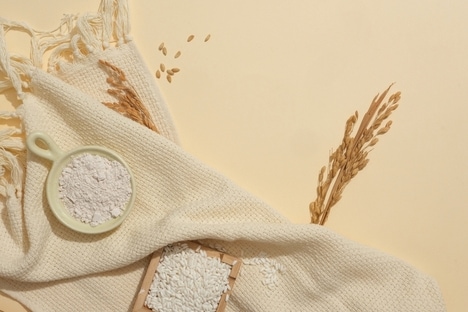
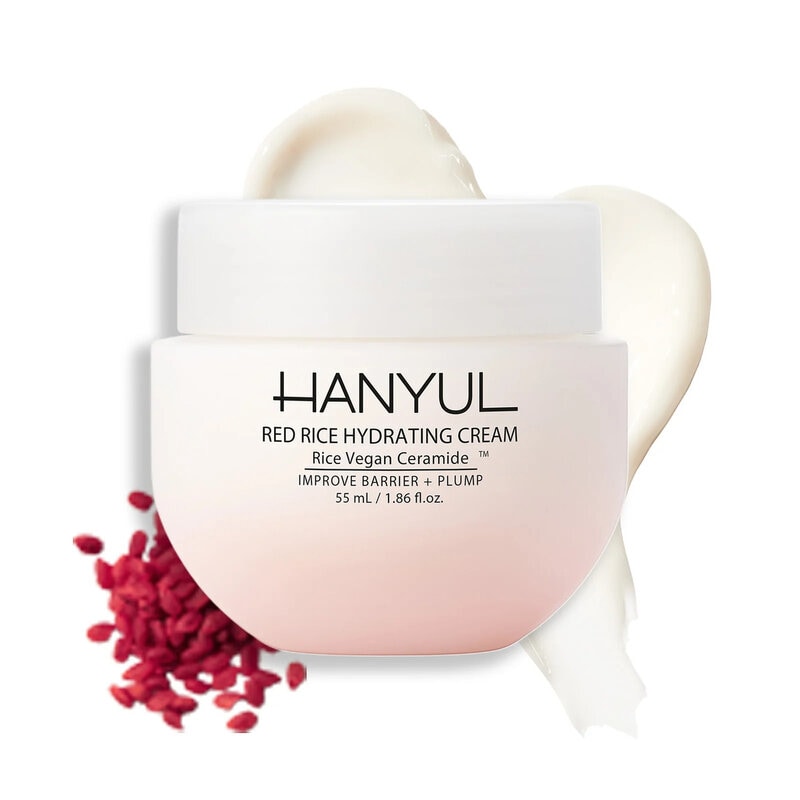
The skincare brand HANYUL presents its Red Rice line, a collection that leverages fermented red rice grown on a Yeoju farm and over five decades of expertise in the beauty industry.
The red rice for HANYUL's products is harvested as 50% milled brown rice and then fermented with red yeast for a full 360 hours to create a potent ingredient aimed at delivering deep hydration and supporting the skin's barrier function. In other words, the Red Rice line addresses two universal concerns — moisture depletion and loss of firmness — by utilizing a fermentation process that enhances the bioavailability of nutrients, making the active components more easily absorbed and effective compared to non-fermented alternatives.
The inclusion of ceramide alongside the red rice extract in products like the Hydrating Cream and Hydrating Serum further strengthens the appeal, as ceramides are well-recognized for their role in reinforcing the skin's natural lipid barrier.
Image Credit: HANYUL
What's Driving This Trend
- Fermented Grain Skincare
- Traditional food fermentation techniques are reshaping beauty formulations through nutrient-rich botanicals with improved absorption and stronger clinical positioning.
- Barrier-repair Beauty
- Consumer demand for hydration and resilience is elevating ceramides, fermented extracts, and lipid-supporting ingredients as core differentiators in daily skincare.
- Farm-sourced Actives
- Ingredient traceability from specific farms adds authenticity and premium value to skincare products built around heritage crops and localized sourcing stories.
Who This Affects Most
- Skincare
- Fermented agricultural ingredients create room for differentiated moisturizers, serums, and creams that combine natural positioning with performance-driven benefits.
- Biotechnology
- Controlled fermentation processes offer new pathways for enhancing ingredient bioavailability, stability, and efficacy across cosmetic and personal care applications.
- Agriculture
- Specialty crop cultivation for beauty formulations expands the commercial role of farms as suppliers of high-value botanical and functional ingredients.