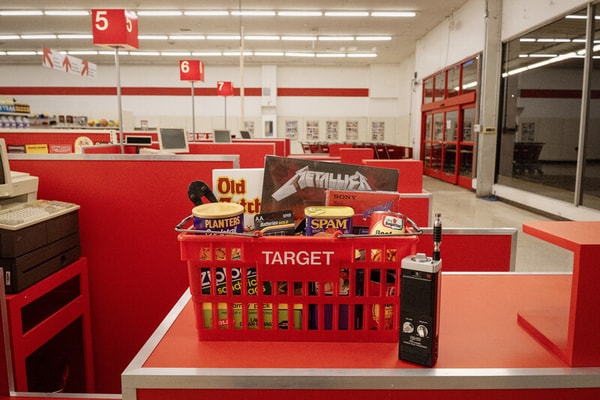
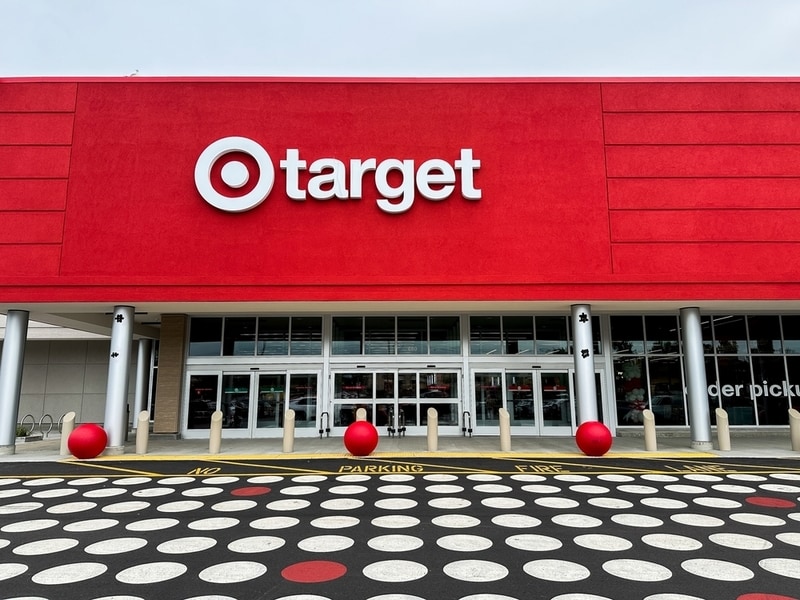
Target introduced its first-ever receive center, a new regional facility designed to centralize inbound shipments and speed up processing for stores and fulfillment. The receive center is managed by Target’s supply chain teams and is built to handle palletized deliveries, featuring dedicated staging areas and accelerated pallet breakdown workflows.
The facility complements Target’s existing distribution centers and stores by consolidating incoming vendor freight before it moves to retail locations or sortation hubs. The design emphasizes efficiency gains through specialized equipment and refined labor processes to reduce handling time and improve inventory flow.
For consumers, the receive center aims to shorten restock times and support faster replenishment of online and in-store inventory, leading to fresher on-shelf assortments and quicker order fulfillment. As retailers invest in micro-fulfillment and network densification, Target’s receive center reflects a broader trend toward targeted, function-specific logistics assets.
Image Credit: Shutterstock/Miro Vrlik Photography
What Makes This Trend Stand Out
- Regional Receive Hubs
- Consolidating inbound shipments into dedicated regional receive centers creates scope for platforms that unify vendor routing, cross-docking optimization, and near-real-time inventory visibility.
- Palletized Micro-fulfillment
- The focus on pallet breakdown and staging within smaller, function-specific sites highlights room for compact automated pallet-handling systems and robotics tailored to high-throughput, small-footprint operations.
- Network Densification
- Increasing the number of specialized nodes closer to stores and consumers opens avenues for orchestration software that dynamically allocates inventory and balances throughput across hyper-local logistics assets.
Sectors Adopting This
- Retail Supply Chain
- Greater emphasis on receive centers signals a shift toward distributed inventory models that could transform retailer-vendor collaboration and shrink replenishment lead times.
- Third-party Logistics
- Third-party operators may find opportunities to offer turnkey, function-specific facilities and integrated services that bridge vendor freight and retailer distribution networks.
- Industrial Equipment and Automation
- Demand for specialized staging and accelerated pallet breakdown is likely to drive development of modular automation hardware and sensors optimized for mixed-pallet workflows.