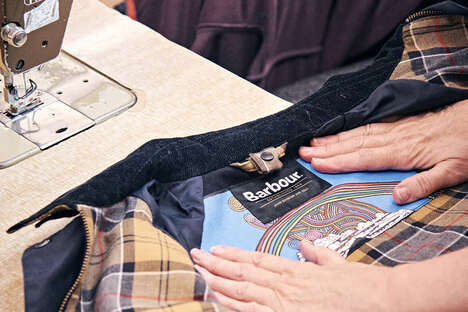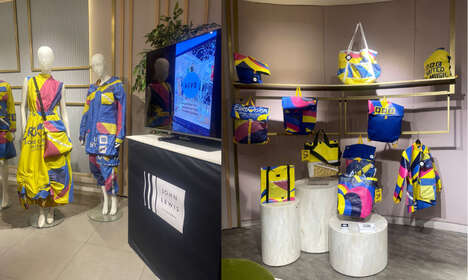


Burberry is relaunching its ‘ReBurberry Fabric Programme’ in partnership with the British Fashion Council, delivering high-quality creative materials to the U.K.’s fashion students and creatives. The program has significantly impacted the fashion house’s sustainability initiatives, inspiring an in-house collection under the same name with the help of up-and-coming fashion designers. Burberry aims to make its production process more circular, keeping the needs and demands of the industry and the future in mind.
Director Nicole Lovett shares that the fashion house is excited to work with the British Fashion Council on this project. The ‘ReBurberry Fabric Programme’ has donated upwards of 12,000 meters of fabric to multiple U.K. schools, proving that the brand is “[committed] to supporting the next generation of exciting creatives while ensuring we all do what we can to protect the environment.”
Image Credit: Burberry
What's Driving This Trend
- Circular Fashion
- The ReBurberry Fabric Programme is a perfect example of circular fashion trend aimed at reducing waste and increasing sustainability in production processes.
- Creative Material Donations
- Donating leftover fabrics to schools and creatives is a trend that can encourage sustainable fashion while promoting creativity and reducing waste.
- Collaborative Sustainability
- Collaborations like the one between Burberry and the British Fashion Council can encourage sustainable initiatives and inspire future generations of creatives to think sustainably.
Who This Affects Most
- Fashion
- Sustainability initiatives like Burberry's ReBurberry Fabric Programme are disrupting the fashion industry by promoting circular fashion and reducing waste in production processes.
- Education
- Education industries house future creatives who can benefit from donations of creative materials like fabrics to carry out sustainable fashion initiatives in the future.
- Environmental Conservation
- Donating fabrics to schools and creatives is a disruptive innovation opportunity that can promote environmental conservation by reducing waste and encouraging sustainable fashion practices.