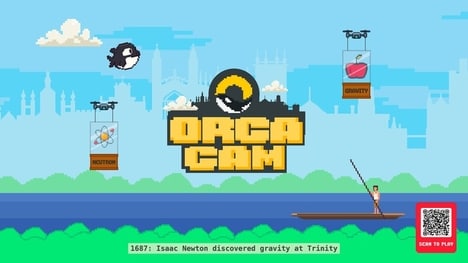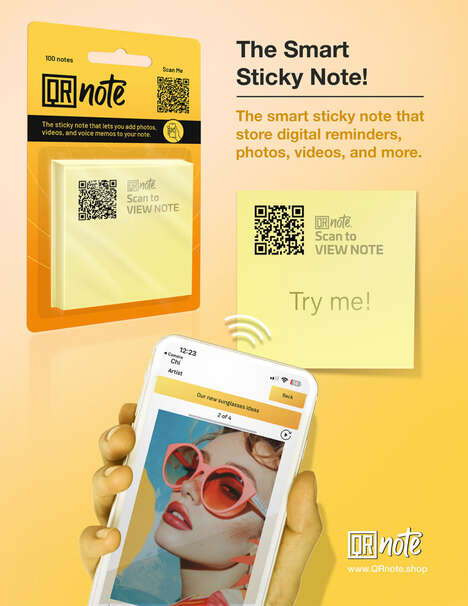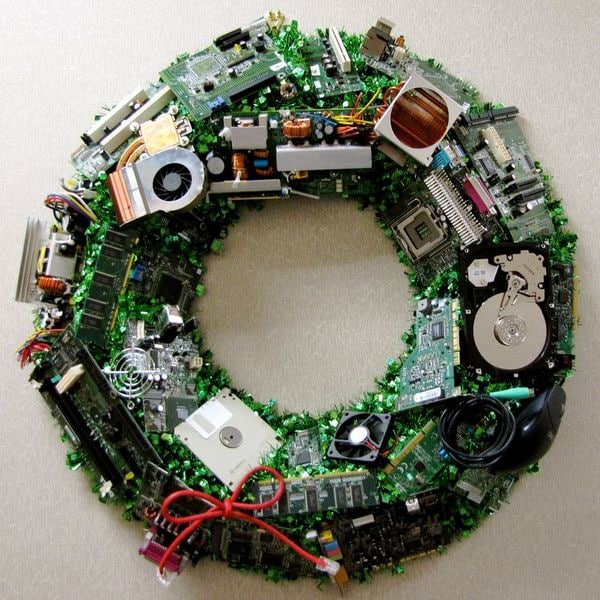
This clever take on the traditional QR code was created by London-based photographer David Sykes. The code itself is fully functional (the print can be scanned and used as a direct link to his website) and was created by using a number of abstract everyday things such as boots and briefcases.
The code was photographed and then sent out to a select few lucky recipients to launch the artist's new website. The photographer's choice to recreate a QR code was based on his fascination that a picture can become part of the digital world. This real-life code utilizes Sykes' fascination and its 8 square-foot size illustrates the magnitude and the importance he put on launching his new website.
What's Driving This Trend
- Abstract QR Codes
- Creating QR codes using abstract everyday objects opens up opportunities for creative and visually appealing advertising campaigns.
- Physical-digital Integration
- The use of physical QR codes bridges the gap between the digital and physical worlds, allowing for immersive and interactive experiences.
- Artistic Branding
- Using unique and artistic QR codes can differentiate a brand and create a memorable and engaging connection with consumers.
Who This Affects Most
- Advertising
- The advertising industry can leverage abstract QR codes to create visually striking and attention-grabbing campaigns that drive consumer engagement.
- Marketing
- Incorporating physical QR codes into marketing strategies enables marketers to create interactive experiences that strengthen brand-consumer relationships.
- Digital Art
- Artists and designers can explore the combination of physical and digital mediums through the creation of artistic QR codes, unlocking new forms of expression and storytelling.