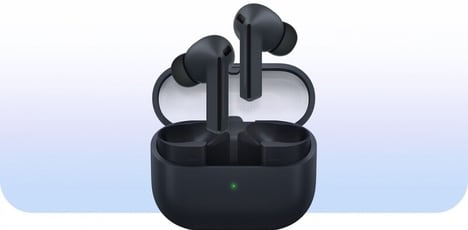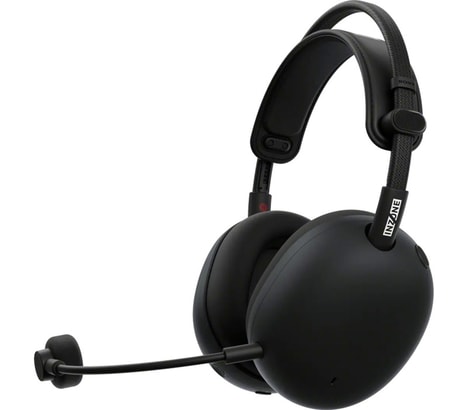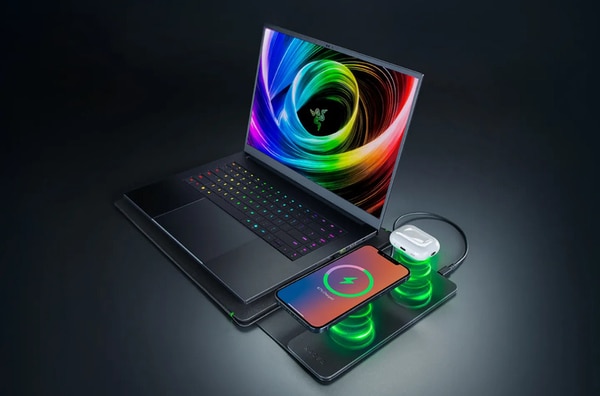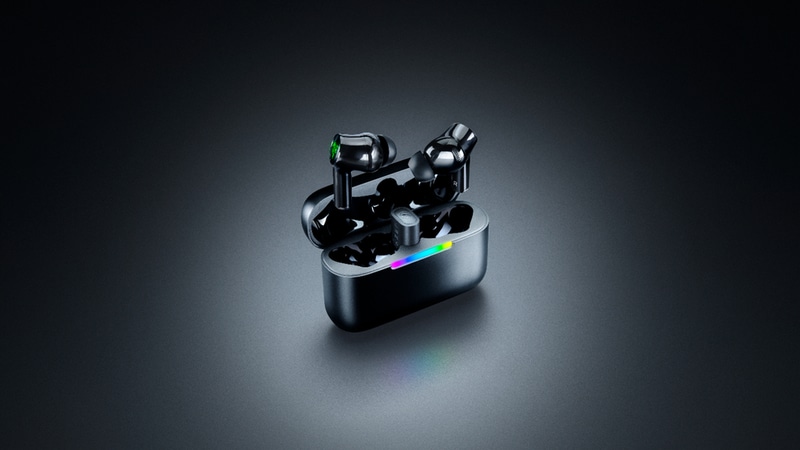
Razer’s Hammerhead V3 Earbuds reflect a growing demand for seamless, multi-device audio experiences among gamers and hybrid tech users. Designed to support both ultra-low-latency 2.4GHz wireless and Bluetooth connectivity, the earbuds allow users to transition effortlessly between PCs, mobile devices, and handheld consoles without disrupting performance.
A standout feature is the charging case, which doubles as a wireless receiver, reducing the need for separate dongles and simplifying setup across platforms. This approach highlights a shift toward multifunctional accessories that prioritize convenience and portability.
For consumers, this translates to a more streamlined and flexible experience across gaming and everyday use. For brands, it signals an opportunity to create integrated, all-in-one products that minimize friction and enhance usability. As users adopt multi-device lifestyles, products that support seamless transitions are expected to influence future audio and gaming expectations.
Image Credit: Razer
Key Themes Behind This Trend
- Multi-device Audio Integration
- Growing consumer expectation for seamless audio handoff between PCs, phones, and consoles creates space for products that unify profiles and permissions across ecosystems.
- Ultra-low-latency Wireless
- Emergence of dual-mode connectivity combining 2.4GHz links and Bluetooth at low latency enables new classes of competitive gaming peripherals with pro-level responsiveness on multiple platforms.
- Multifunctional Accessory Ecosystems
- Charging cases and hubs that double as receivers or network bridges suggest a shift toward accessories that consolidate connectivity, power, and device management into single compact units.
Where This Applies
- Consumer Audio
- Headphone and earbud manufacturers face opportunities to redefine user experience by embedding cross-device pairing intelligence and shared audio profiles into mainstream products.
- Gaming Hardware
- Peripheral makers in the console and PC markets can capitalize on demand for low-latency, platform-agnostic gear that preserves competitive performance while enabling casual device switching.
- Wireless Communications
- Chipset and protocol developers are positioned to disrupt by optimizing coexistence and handoff mechanisms between proprietary 2.4GHz links and standard Bluetooth stacks for multi-device environments.