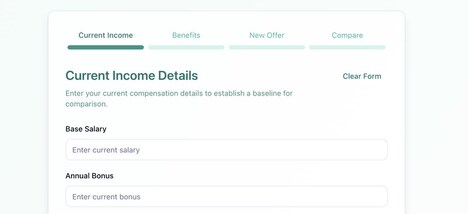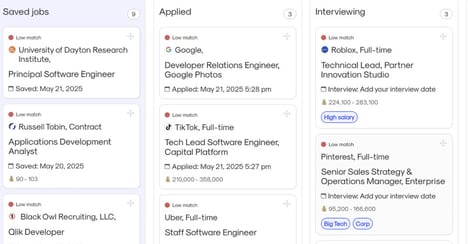
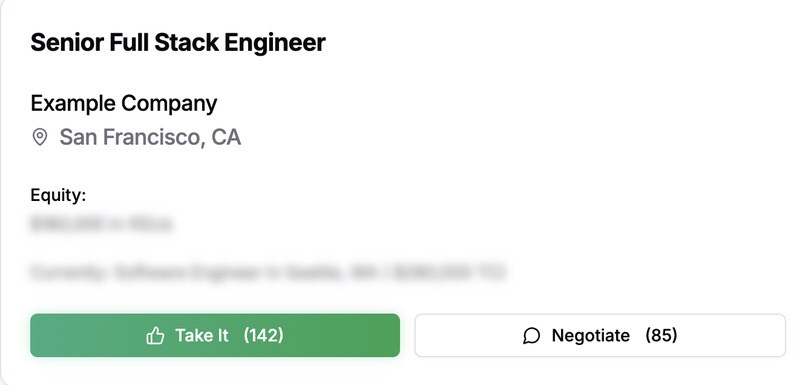
RateMyJobOffer is a community-driven platform designed to help individuals evaluate job offers using shared data and peer input. Users can post details of their offers, including compensation and benefits, and receive feedback through community voting and comparisons.
The platform also allows users to browse anonymized offers from others, creating a reference point for salary ranges, role expectations, and market norms. From a business perspective, RateMyJobOffer reflects growing demand for transparency in hiring and compensation practices. By aggregating real-world offer data, it supports more informed decision-making and negotiation preparation. The tool may be useful for candidates navigating multiple offers, entering new roles, or assessing whether an offer aligns with market conditions. Overall, it functions as a crowdsourced insight layer between employers and candidates in the hiring process.
Image Credit: RateMyJobOffer
What Makes This Trend Stand Out
- Crowdsourced Compensation Data
- Aggregated user-submitted salary and offer information creates potential for algorithmic benchmarking services that redefine market pricing.
- Offer Comparison Platforms
- Platforms that centralize side-by-side offer comparisons enable a third-party reputation layer between employers and candidates, altering talent-market signaling.
- Transparency-driven Hiring
- Growing demand for open compensation practices encourages products that surface fairness metrics and contextualized pay norms across roles.
Sectors Adopting This
- Recruitment Technology
- Candidate-facing marketplaces could incorporate verified offer histories to transform sourcing accuracy and match quality.
- HR Consulting
- Advisory firms may leverage anonymized offer analytics to design evidence-based compensation strategies and benchmarking services for clients.
- Saas Compensation Tools
- Cloud-native pay platforms can integrate peer-sourced benchmarks to enable dynamic, data-driven salary recommendations.