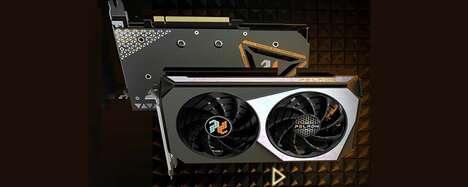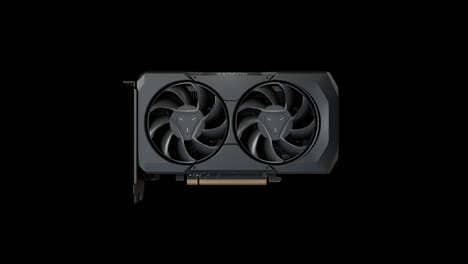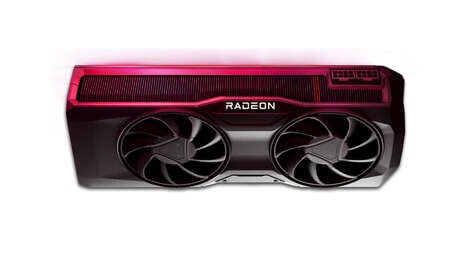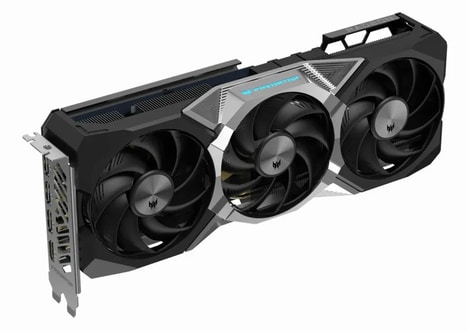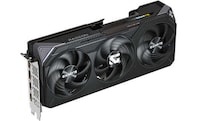
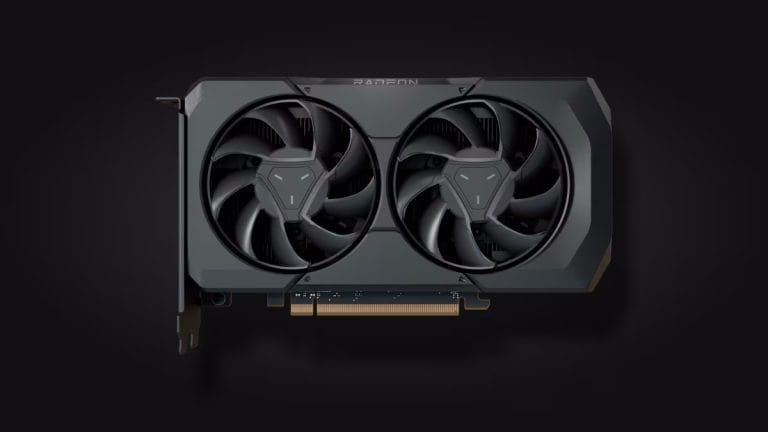
The upcoming Radeon RX 9060 XT from AMD is a graphics card designed to offer high performance for gamers and professionals. It is built on the Navi 48 graphics processor, which is based on the RDNA 4 architecture. The card features 2048 shading units, 128 texture mapping units, and 48 render output units. It also includes 32 ray tracing acceleration cores, enhancing its capability to handle modern gaming and rendering tasks. The RX 9060 XT is equipped with 12 GB of GDDR6 memory, connected via a 192-bit memory interface, providing a memory bandwidth of 468.1 GB/s.
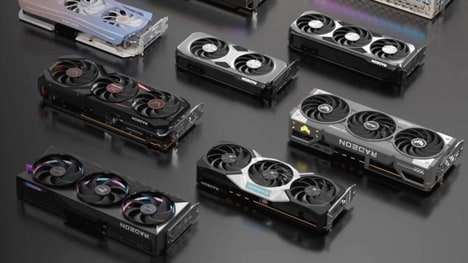
The Radeon RX 9060 XT is expected to be available in two memory configurations: 16 GB and 8 GB. This flexibility allows users to choose a model that best fits their needs and budget. The card supports DirectX 12 Ultimate, ensuring compatibility with the latest gaming technologies and features. It also includes multiple display outputs, such as HDMI 2.1b and DisplayPort 2.1a, making it suitable for various display setups. The RX 9060 XT is anticipated to be a competitive option in the mid-range graphics card market, offering a balance of performance and affordability.
Image Credit: AMD Radeon
What's Driving This Trend
- High-memory Gpus
- High-memory GPUs are becoming more accessible, enabling both gaming enthusiasts and professionals to achieve enhanced performance without breaking the bank.
- Flexible GPU Configurations
- The availability of graphics cards in multiple configurations allows consumers to tailor their purchases based on specific budgetary constraints and performance needs.
- Enhanced Ray Tracing Technology
- Improved ray tracing capabilities in mid-range GPUs provide gamers with more immersive graphics experiences without requiring top-tier models.
- High-memory Gpus
- High-memory GPUs are becoming more accessible, enabling both gaming enthusiasts and professionals to achieve enhanced performance without breaking the bank.
Who This Affects Most
- Gaming Industry
- The gaming industry benefits from more affordable high-performance GPUs that expand access to popular gaming experiences.
- Virtual Reality
- Virtual reality developments are boosted by GPUs that support high memory capacity, offering improved visual fidelity and experience immersion.
- Creative Software Industry
- Creative professionals in fields like graphic design and video editing gain new tools as affordable GPUs with enhanced capabilities enhance workflow efficiency.