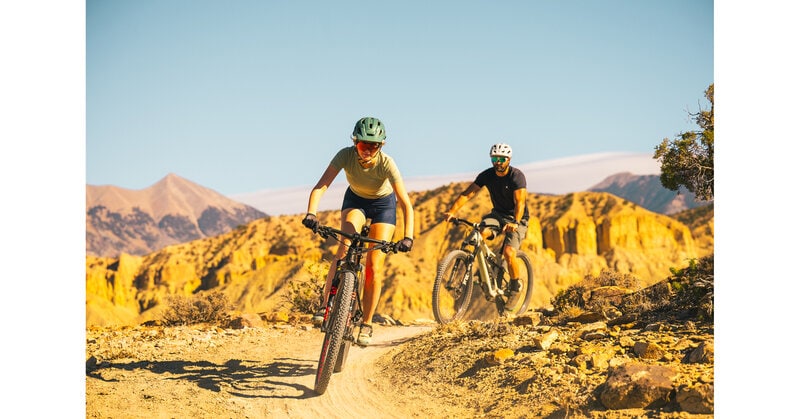
The Mud Springs Trail System opened in San Juan County near Moab, adding a race-capable mountain bike network with machine-built, flowy trails and bermed turns. Phase 1 will span about 11 miles, including seven miles completed last fall and roughly 3.5 miles of intermediate and advanced-level trails expected this season.
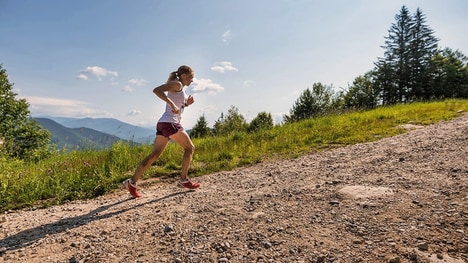
The network was built for youth racing, adaptive cyclists, families and riders of varying abilities, with views of the La Sal Mountains. Mud Springs can host youth and adult races, adaptive competitions and running events. Its opening coincided with a Utah High School Cycling League race weekend that drew more than 1,100 youth riders.
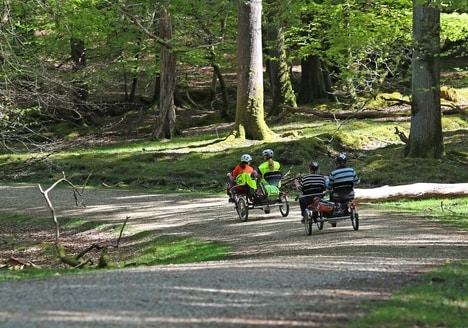
Accessibility shaped the development process, with the National Ability Center providing handcycles so trail staff could test adaptive equipment on course features. By complementing established rides such as Slickrock and The Whole Enchilada, Mud Springs reflects investment in inclusive outdoor recreation infrastructure while expanding Moab’s event capacity and supporting its bike tourism economy.
Image Credit: Moab Office of Tourism
Key Themes Behind This Trend
- Inclusive Trail Design
- Adaptive-tested routes and varied difficulty levels reveal new potential for outdoor destinations that serve handcyclists, youth athletes, families, and competitive riders within one shared network.
- Race-ready Recreation
- Purpose-built trail systems with bermed turns and flow features create differentiated tourism assets capable of hosting recurring youth, adult, adaptive, and endurance events.
- Machine-built Mountain Biking
- Engineered trails introduce scalable consistency, safety, and ride quality that can expand participation while reducing reliance on expert-only natural terrain.
Where This Applies
- Outdoor Recreation
- Accessible, multi-use infrastructure broadens the market for adventure experiences by aligning competitive sport, family recreation, and adaptive participation.
- Sports Tourism
- Destination trail networks strengthen local economies through event-driven visitation, especially when facilities are designed to accommodate large racing leagues and diverse participant groups.
- Adaptive Sports
- Collaboration with accessibility organizations highlights opportunities for equipment-informed venue design that normalizes inclusive competition and recreation.