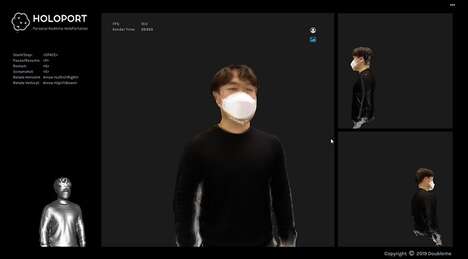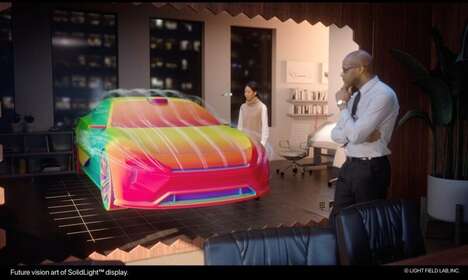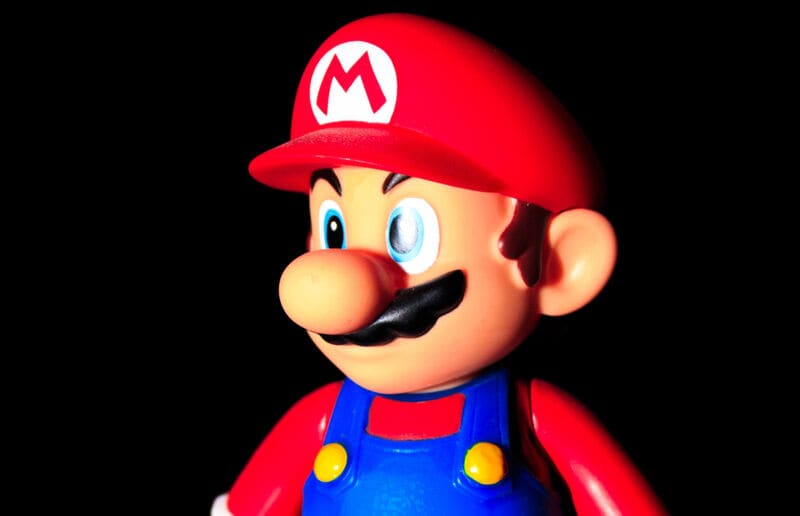
At CES this year, a holographic digital Mario from Super Mario Brothers made an appearance with the help of the ProtoHologram technology by Proto. This system brings the character to life at the event with Target. The purpose of the digital demonstration was to showcase how AI technology could be seamlessly integrated into lifestyle spaces such as retail locations. This way, it opens up opportunities to function as AI assistants and more.
a Proto spokesperson shares with DesignTAXI that “The AI hologram animation briefly seen today is an unfinished proof of concept tested for a client to demonstrate technological capabilities and innovation. It is not intended for commercial release. AARP and Nintendo were not involved in the inadvertent showing today. The fact that so many gamers of the world have taken notice shows that they are the best fans in the world and we salute them.”
Image Credit: Jeffev123 | Dreamstime.com
Why This Trend Is Growing
- Holographic-gaming
- The use of holographic technology in video games opens up possibilities for immersive and interactive gaming experiences.
- AI-integration
- The integration of AI technology into retail spaces allows for the creation of AI assistants and personalized shopping experiences.
- Prototype-hologram
- Proto's ProtoHologram technology showcases the potential for creating lifelike holographic characters for various applications.
Industries Being Reshaped
- Gaming
- The gaming industry can leverage holographic technology to revolutionize how games are played and experienced.
- Retail
- The integration of AI technology in retail offers opportunities for personalized shopping experiences and improved customer service.
- Technology
- Proto's holographic technology demonstrates the potential for disruptive innovation in various industries, such as entertainment, education, and marketing.