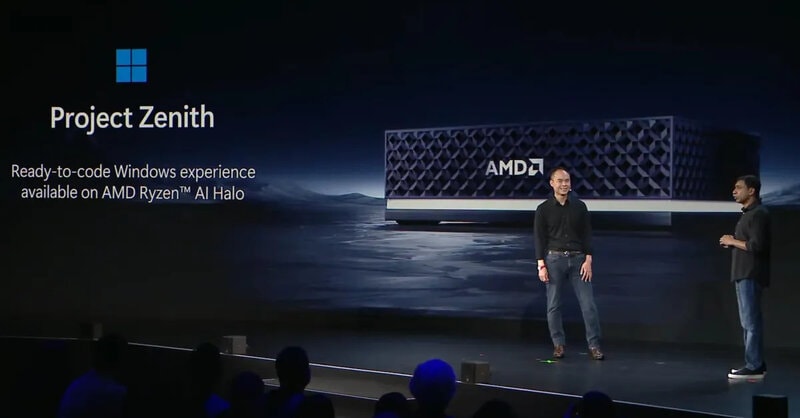
Microsoft's Project Zenith is a developer-optimized Windows experience built for machines with 64GB or more of unified memory, featuring a preconfigured setup for coding and AI work. It is designed so developers can run 30B+ parameter models locally and unmetered, letting large models operate without consuming cloud tokens.
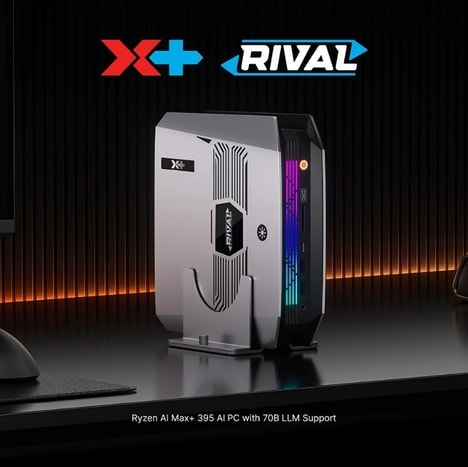
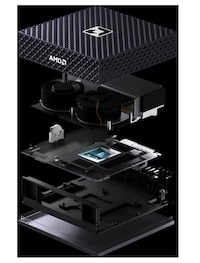
The first Project Zenith device is a miniature PC that ships with AMD's Ryzen AI Halo chips and was shown at IFA. Devices arrive with tools like Visual Studio Code, GitHub Copilot, PowerToys, WinAppCLI and Windows Dev Skills already installed. File Explorer defaults to showing extensions, hidden files and the full path, long-path support is enabled and distractions such as recently used files, sync provider tips, start menu tips and account notifications are turned off.
For developers, Project Zenith streamlines the environment so focus shifts from setup to building and model experimentation. Local, unmetered model running speeds iterative work and cuts dependence on metered cloud runs. Microsoft says more Project Zenith devices with different silicon will arrive in the coming months.
Image Credit: Microsoft
What Makes This Trend Stand Out
- Local AI Development
- On-device access to large models gives developers predictable experimentation environments while reducing exposure to cloud costs, latency constraints and data movement concerns.
- Preconfigured Coding Workstations
- Developer-ready machines package tooling, settings and system preferences into standardized experiences that shorten setup time and increase consistency across technical teams.
- Distraction-free Operating Systems
- Productivity-focused OS configurations remove notifications, tips and interface clutter, creating room for specialized software environments designed around deep work and technical concentration.
Sectors Adopting This
- Developer Tools
- Integrated coding stacks that combine editors, AI assistants and command-line utilities create new value through seamless onboarding and tighter workflow automation.
- Personal Computing Hardware
- Compact PCs with unified memory and AI-optimized processors represent a growing hardware category built around local inference, model testing and advanced developer workloads.
- Enterprise Software
- Organizations seeking controlled AI experimentation environments may favor local-first platforms that support governance, cost management and secure model iteration outside metered cloud systems.