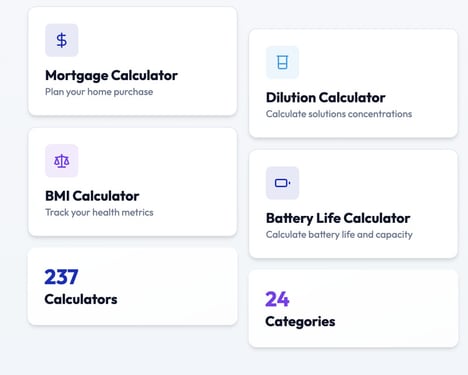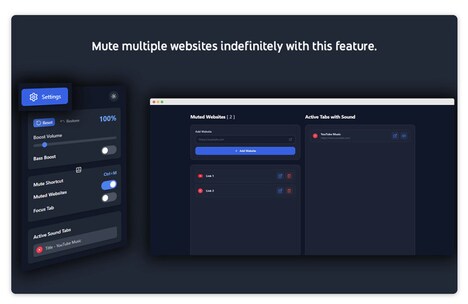
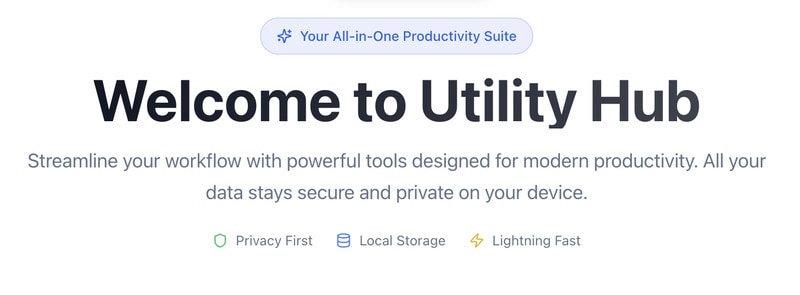
Utility Hub is a browser-based productivity hub that consolidates multiple tools for work, school, and personal tasks into a single interface. The platform operates entirely on the browser’s local storage, meaning data remains on the user’s device and is not uploaded to external servers, offering a heightened level of privacy and security. Users can access a range of functions — ranging from task management to note-taking — without the need for account creation or subscription fees.
Additionally, the platform includes an AI assistant to provide guidance and streamline workflows. By integrating multiple productivity functions into a single, accessible location, Utility Hub is designed to reduce friction in daily task management and improve efficiency. Its no-sign-up model emphasizes ease of use, security, and convenience for individual users or small teams.
Image Credit: Utility Hub
What's Driving This Trend
- Privacy-first Local-only Apps
- Browser-resident applications that keep all data on-device diminish dependence on centralized servers and challenge traditional cloud-based SaaS business models.
- All-in-one Browser Productivity
- Consolidated, accountless productivity suites accessed via the web blur boundaries between desktop apps and online services, compressing tool stacks into single interfaces.
- Integrated Lightweight AI Assistants
- Small-footprint AI assistants embedded in client-side apps provide contextual support without server-side processing, altering assumptions about where intelligent features must run.
Who This Affects Most
- Education Technology
- Schools and edtech vendors face pressure from secure, no-account tools that protect student privacy while offering classroom collaboration features within browser environments.
- Small Business Productivity Software
- SMB software suppliers encounter competition from free, browser-based hubs that lower onboarding friction and reduce subscription revenue potential.
- Cybersecurity and Data Privacy Services
- Providers of data protection solutions see a shift toward preventative architectures emphasizing local storage and reduced attack surfaces, redefining enterprise security offerings.