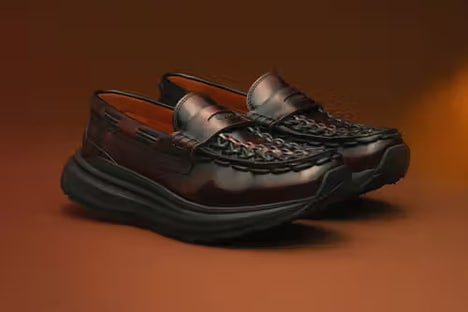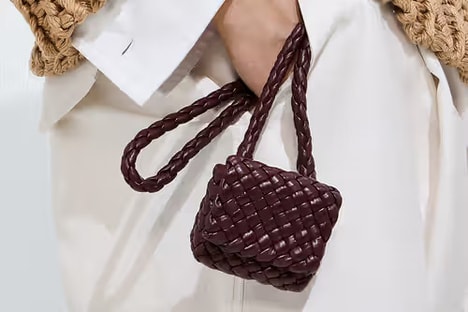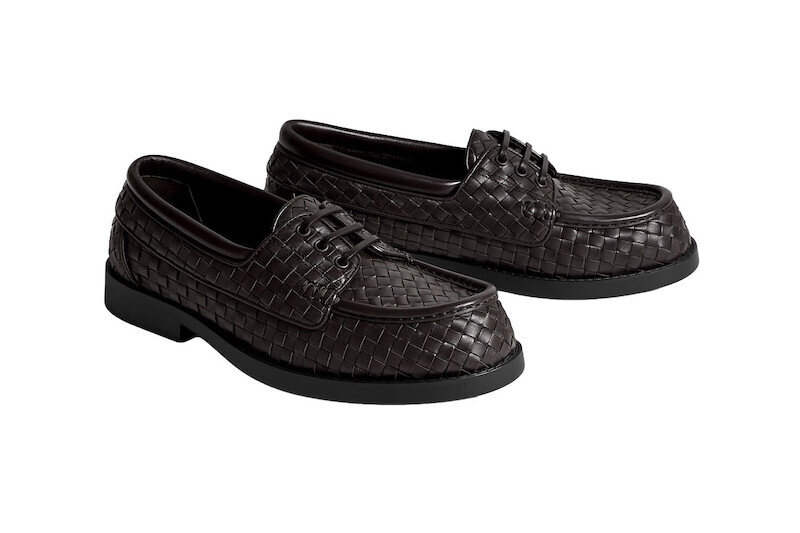
Bottega Veneta's Pier Boat Shoe reworks a classic deck silhouette by placing the house's Intrecciato weave across the suede vamp, creating a tactile signature that reads as branding without visible logos. The shoe keeps low, relaxed proportions so the woven panel becomes the central visual detail while the overall shape remains familiar.
The Pier arrives in two earthy shades, Tannin and Espresso, and combines a textured suede upper with refined leather elements and a smooth calfskin lining, all made in Italy. Bottega pairs the soft materials with a practical rubber outsole to preserve the shoe's original utility and grip. The suede nap shifts with light and wear, adding dimensionality to the brown tones.
The Pier offers quiet luxury through material focus and visible craftsmanship rather than overt signage. It rewards wear by developing nuanced patina and texture, turning a well-known form into a more tactile, long-lived wardrobe staple. The approach favors material value over conspicuous branding.
Image Credit: Bottega Veneta
What Makes This Trend Stand Out
- Logo-less Luxury
- Material signatures and recognizable craft codes are reshaping premium branding by letting texture, construction, and heritage details communicate status without overt logos.
- Tactile Heritage Updates
- Classic footwear forms gain renewed relevance when familiar silhouettes are modernized through woven panels, suede finishes, and artisanal surface treatments.
- Patina-driven Design
- Products designed to evolve with wear create value through aging, texture change, and personalization, extending emotional attachment beyond seasonal fashion cycles.
Sectors Adopting This
- Luxury Footwear
- High-end shoe brands can differentiate established silhouettes through discreet craftsmanship, premium materials, and subtle house codes that appeal to quiet-luxury consumers.
- Menswear
- Refined casual staples are becoming more versatile as elevated materials bridge relaxed dressing with polished wardrobe expectations.
- Leather Goods
- Craft-focused material innovation in weaving, finishing, and aging effects strengthens perceived quality while reducing reliance on conspicuous branding.