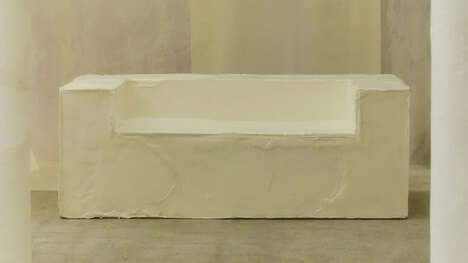
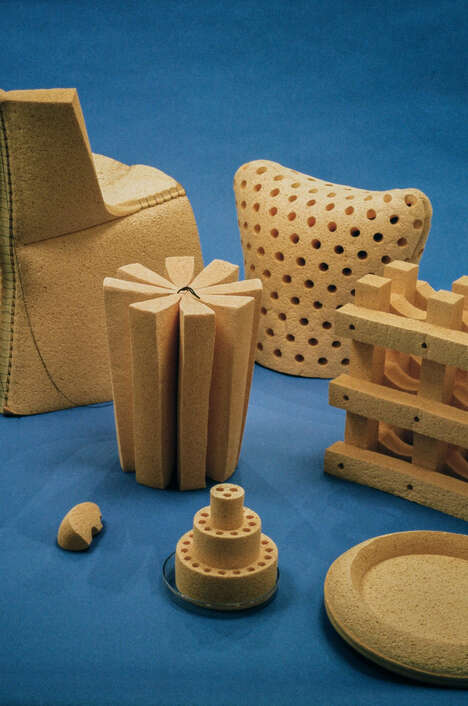
Peter Trimble, a Product Design graduate from the furniture-first-aid'>University of Edinburgh, has created a biomaterial that is set to reduce production waste significantly. Through a process he has labeled 'Dupe,' Peter Trimble has found a way to use sand and urea to form granular building materials.
By avoiding the traditional “heat beat and treat” techniques that most manufacturers use to create objects including furniture, Peter Trimble is able to avoid the 96% waste and 4% product statistics that is making a damaging dent in the environment. His project, which he calls Microbial Manufacture, is not only eco-friendly, it is also cheap considering that it uses materials that are easily accessible and abundant in the world.
Peter Trimble writes, "Dupe aims to raise questions about the future of industrial manufacturing and illustrates the sustainable potential that the ultilisation of bacillus pasterurii could have with the manufacturing industry."
Key Themes Behind This Trend
- Eco-friendly Manufacturing
- Microbial Manufacture reduces production waste significantly without the use of traditional manufacturing techniques.
- Alternative Biomaterials
- Dupe, a biomaterial made from sand and urea opens up opportunities for other sustainable biomaterials
- Microbial Technology
- The utilization of bacillus pasterurii in manufacturing illustrates the potential of microbial technology.
Where This Applies
- Furniture Manufacturing
- Microbial Manufacture offers an eco-friendly alternative to traditional furniture manufacturing.
- Construction & Building Materials
- Dupe's granular building materials made from sand and urea can be used as an alternative eco-friendly building material.
- Sustainable Manufacturing
- The integration of microbial technology opens up disruptive innovation opportunities in various manufacturing industries for more sustainable production processes.