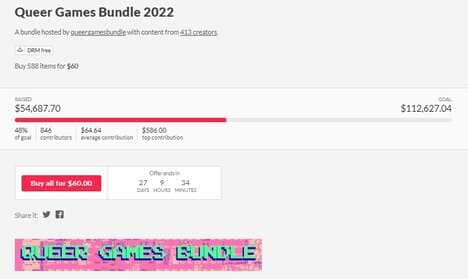
Humble Bundle is transforming the digital gaming landscape with its innovative pay-what-you-want model for video game bundles. The platform, which started as an indie game showcase in 2010, has evolved into a comprehensive digital marketplace that has raised over $240 million for various charities. The service bundles together themed or developer-specific games every few weeks, allowing users to not only choose their price point but also determine how much of their purchase goes to charity, making gaming more accessible while supporting good causes.
What makes this platform particularly intriguing is how it's managed to turn traditional pricing models on their head without sacrificing quality or profitability. By letting gamers decide what they want to pay, Humble Bundle has created a unique sweet spot where consumer choice meets social impact. This approach has attracted major publishers like 2K, THQNordic, and Capcom to offer premium titles through the platform, proving that flexible pricing can work even for AAA games.
Key Themes Behind This Trend
- Pay-what-you-want Acceptance
- Flexible pricing is gaining traction as a viable sales model across varied consumer sectors.
- Charity-driven Consumer Purchases
- Consumers are increasingly motivated to make purchasing decisions that have built-in charitable contributions.
- Evolving Digital Marketplaces
- Online platforms are continuously innovating to blend consumer choice with premium content offerings.
Where This Applies
- Digital Gaming
- The video game industry is leveraging flexible pricing to attract a broader and more diverse audience.
- Charity and Non-profits
- Non-profit organizations are finding new fundraising opportunities through integrated digital sales platforms.
- E-commerce
- E-commerce platforms are exploring innovative pricing strategies to enhance user engagement and drive sales.