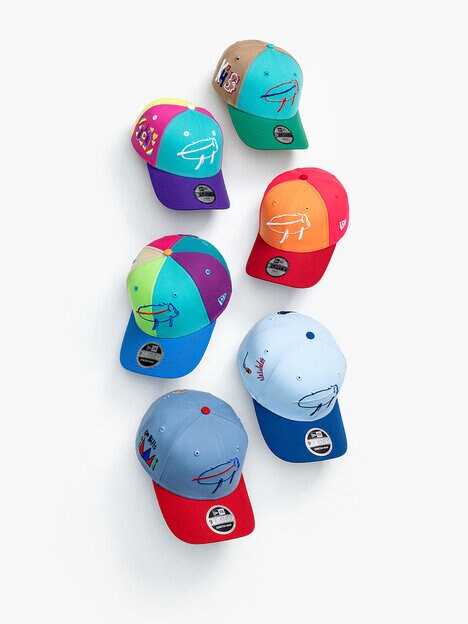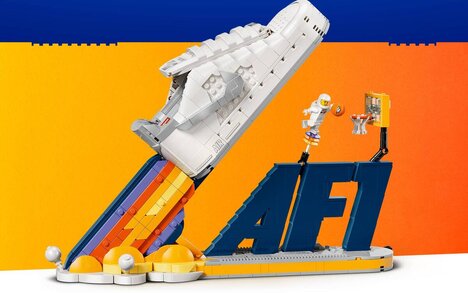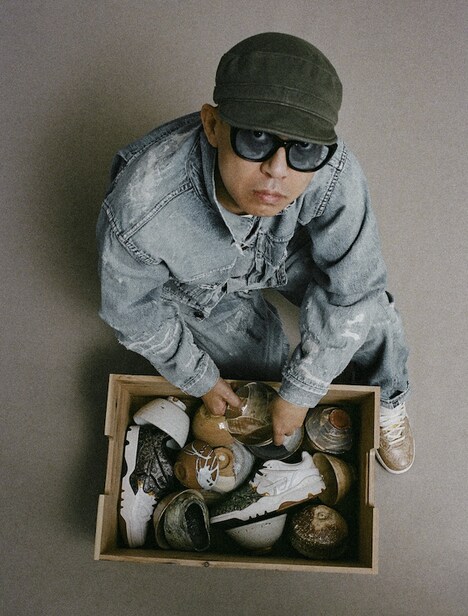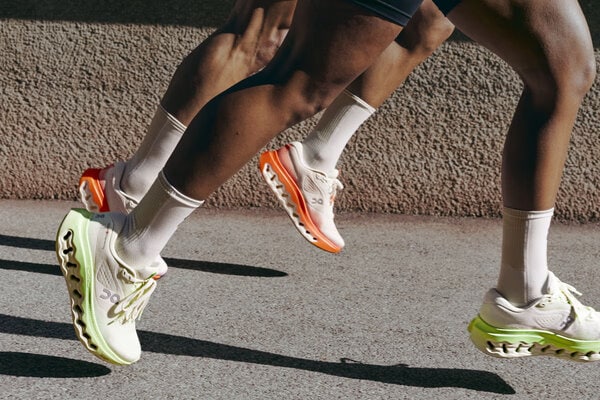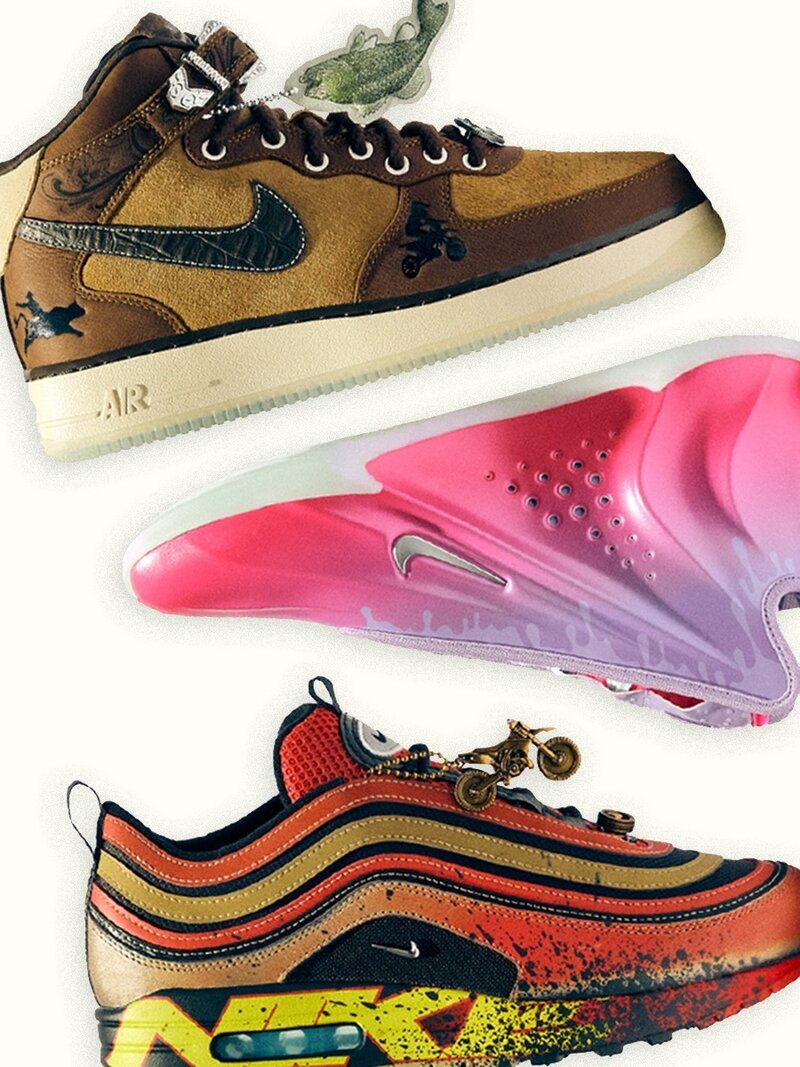
Nike is expanding its 'Doernbecher Freestyle' sneakers with a Year 22 group created by six kids from OHSU Doernbecher Children's Hospital, turning their stories into shoes sold to help other patients there. Running since 2004, the initiative pairs each child with Nike employee volunteers, and each pair centers on the child's interests and hospital experience.
Owen's 'Air Max 1/97' features a dirt-bike-inspired mud pattern from the toe, while Charlye's 'ACG Rufus' uses a sun-reactive upper that changes color and reveals hidden graphics. Those touches make the shoes feel clearly authored by the kids themselves, giving wearers an immediate read on the story behind each pair.
Six patient-designed pairs sold to benefit other kids at the same hospital turn the project into a co-creation fundraising format. That puts the cause directly into the product, which can draw in buyers looking for design with a clear community tie.
Image Credit: @nike
What Makes This Trend Stand Out
- Patient Co-creation
- Healthcare-linked brands can transform lived patient experiences into emotionally resonant products that create deeper consumer connection and social value.
- Story-driven Footwear
- Limited-edition sneakers with visible personal narratives offer collectors more meaningful status symbols tied to identity, cause, and community.
- Cause-embedded Products
- Retail goods that integrate philanthropy directly into design and sales mechanics create new models for transparent, purpose-led consumer engagement.
Sectors Adopting This
- Footwear
- Sneaker brands gain differentiation through collaborative product drops that merge youth creativity, personalization, and charitable storytelling.
- Healthcare Fundraising
- Hospitals and nonprofits can expand donor participation by partnering with consumer brands on tangible products linked to patient stories.
- Youth Design
- Creative programs centered on children's ideas reveal new pathways for inclusive design, brand authenticity, and community-backed product innovation.