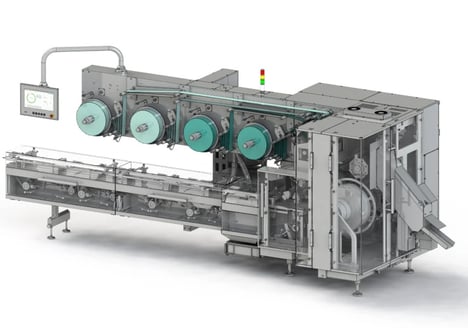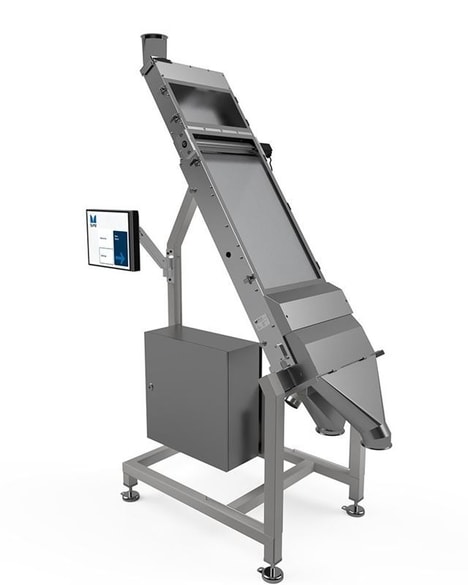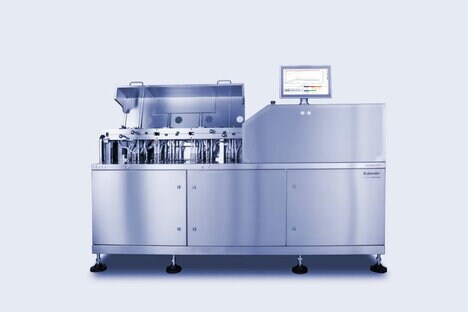
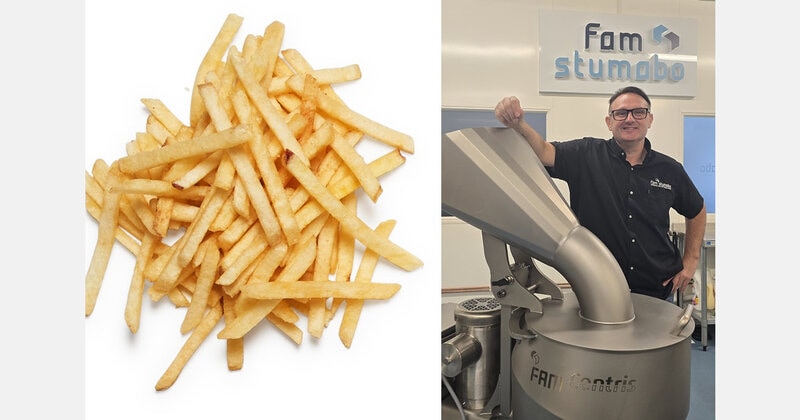
Fam Stumabo updated the 'SureTec 240P' with an infeed chute that allows potato processors to handle larger white and sweet potatoes with fewer jams and more consistent fry output. Designed to guide each potato into the drum in the correct position, the revised feed path helps maintain throughput while protecting fry length during cutting.
Its opening now accepts potatoes up to 200 mm across, instead of 110 mm, which brings oversized sweet potatoes into the same line. The drum still supports full-length cuts, and the SureCut Unit, a prebuilt cutting assembly, reduces on-machine adjustments during changeovers.
For processors, this means a fry line that can stay productive even when product size varies and experienced setup staff are harder to keep. Equipment in this category now needs to deliver repeatable cuts with less specialist tinkering.
Image Credit: Fam Stumabo
Why This Trend Is Growing
- Oversized Produce Processing
- Larger infeed designs expand factory tolerance for irregular crops, creating room for machinery that preserves yield and consistency as agricultural inputs become less uniform.
- Low-adjustment Food Equipment
- Prebuilt cutting assemblies reduce reliance on expert setup labor, signaling demand for production systems that maintain precision with minimal operator intervention.
- Flexible Fry Line Automation
- Adaptive feed paths and jam-resistant handling support continuous throughput across variable potato sizes, enabling more resilient snack and frozen food manufacturing.
Industries Being Reshaped
- Food Processing Equipment
- Machine builders can differentiate through modular, high-capacity cutting systems that accommodate broader raw ingredient specifications without sacrificing output quality.
- Frozen Potato Products
- Processors benefit from equipment that integrates oversized sweet and white potatoes into existing fry lines, supporting product diversification and improved raw material utilization.
- Industrial Agriculture
- Growers and processors face increasing value in downstream machinery that can absorb crop size variation, reshaping standards for produce grading and supply chain efficiency.