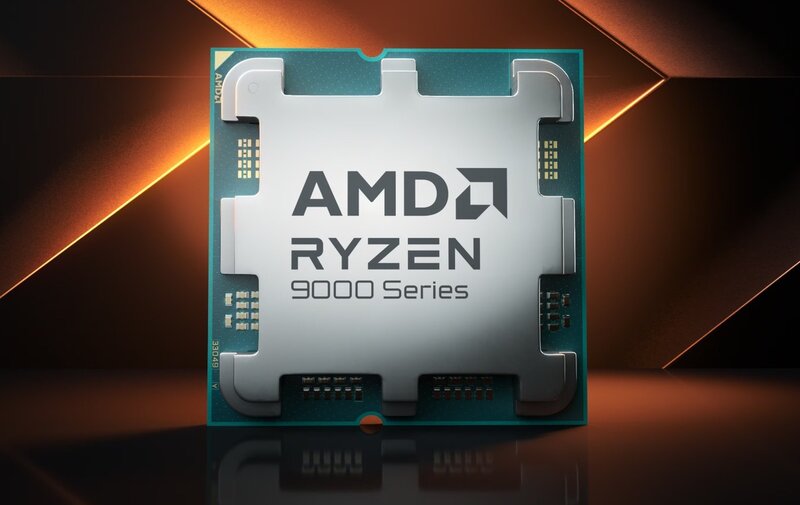
AMD engineer Shyam Sundar S K has prepared the 'AMD Overclocking Driver' for Linux-based operating systems, linking Linux directly to Ryzen firmware. In its current form, the driver exposes three tuning controls via sysfs, the Linux file interface for kernel settings, so power tweaks no longer have to stay inside BIOS menus.
A firmware-level switch for Simultaneous Multithreading, which controls extra CPU threads, changes the processor setting itself instead of merely hiding those threads from Linux. The patches are under kernel review, and some power-limit changes still require a reboot, so the driver remains a partial tuning option instead of a Ryzen Master replacement.
Kernel review status keeps the driver early-stage, but an official AMD path into Ryzen firmware moves Linux tuning closer to native support. That gives independent developers a base for command-line or graphical controls and reduces reliance on BIOS settings and community utilities.
Image Credit: AMD
What Makes This Trend Stand Out
- Linux Firmware Tuning
- Native links between Linux and processor firmware create room for more transparent performance controls beyond BIOS-dependent workflows.
- Open-source Overclocking
- Kernel-reviewed tuning drivers signal a shift toward community-extensible CPU optimization tools for power users and developers.
- Processor Control Interfaces
- Sysfs-based CPU settings highlight emerging possibilities for lightweight command-line and graphical utilities built around hardware-level configuration.
Sectors Adopting This
- Semiconductors
- Firmware-accessible processor features reshape how chipmakers differentiate performance, power management, and developer support across platforms.
- Open-source Software
- Official hardware pathways inside Linux expand the ecosystem for independent tools that manage system performance at a deeper level.
- Computer Hardware
- Closer integration between operating systems and CPU controls introduces new expectations for configurable desktops, workstations, and enthusiast devices.