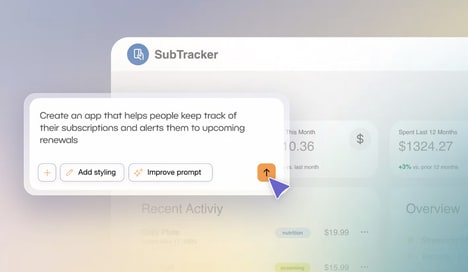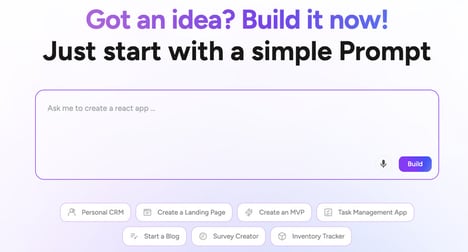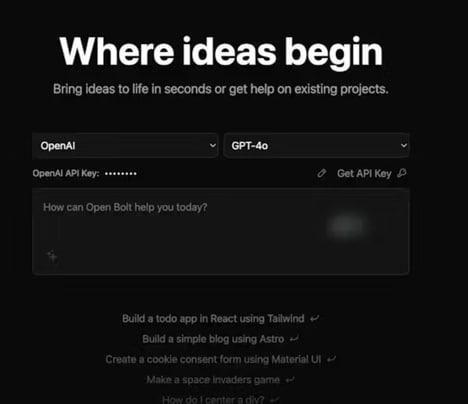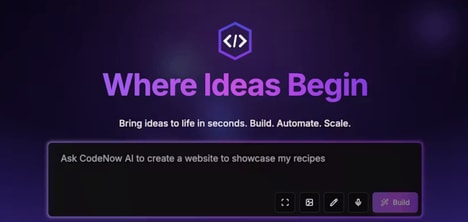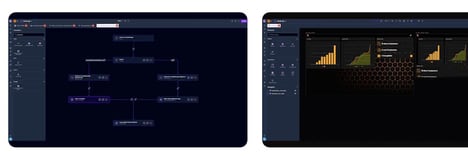
Open Idea is a no-code platform that enables users to transform conceptual ideas into fully functional Android applications. By removing the need for traditional programming skills, it allows entrepreneurs, small businesses, and innovators to quickly prototype and deploy mobile apps.
Users can input their app concepts, define workflows, and customize features through an intuitive interface, while the platform handles underlying code generation and app architecture. The tool supports faster time-to-market and lowers the barriers to entry for app development, making it accessible to individuals and teams without technical backgrounds. Open Idea’s approach emphasizes efficiency and scalability, offering a solution for validating ideas or launching apps with minimal resources. It reflects the growing trend of democratizing software development and accelerating digital product creation.
Image Credit: Open Idea
What's Driving This Trend
- No-code Democratization
- Platforms that remove programming barriers enable nontechnical founders and small teams to originate, iterate, and launch mobile products at unprecedented speed, reshaping who can participate in software creation.
- Visual-workflow Automation
- Graphical builders that translate flow diagrams into production-ready app logic reduce implementation complexity and create opportunities for standardized, reusable workflow components.
- Instant App Prototyping
- Rapid-generation tools producing deployable Android builds from conceptual inputs shorten validation cycles and shift investment focus toward product-market fit over traditional engineering lead time.
Who This Affects Most
- Small-businesses and Startups
- Access to no-code app builders lowers development costs and enables lean teams to deliver bespoke mobile experiences, altering competitive dynamics in local and niche markets.
- Education and Workforce Training
- Curricula that incorporate no-code development allow students and reskilled workers to produce demonstrable digital projects quickly, changing assessment and placement criteria.
- Mobile Agencies and Digital Consultancies
- Agencies may shift toward rapid customization and platformized service models as white-label no-code outputs alter traditional billable development practices.