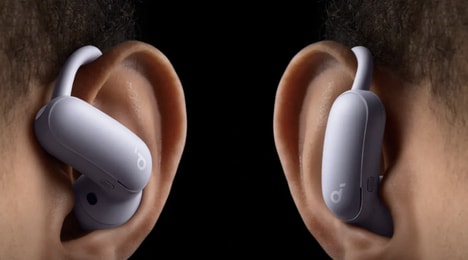
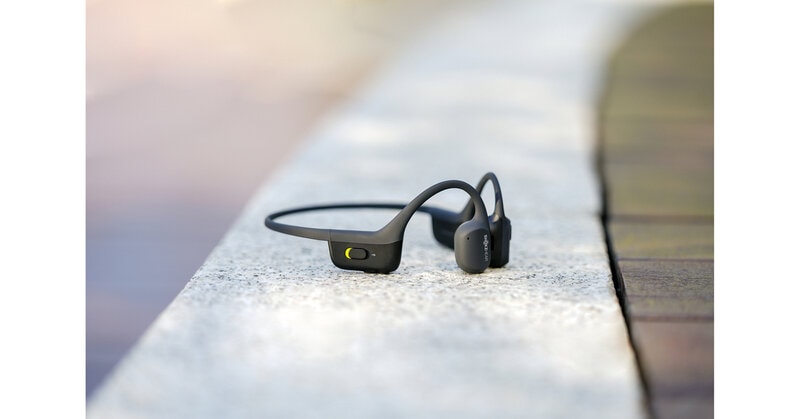
Open-ear hearing aids are expanding hearing care options as ShokzHear introduces the OpenHear BM420, a non-surgical device that delivers sound through bone conduction technology. Unlike conventional in-ear hearing aids, the professionally fitted system leaves the ear canal unobstructed, offering an alternative designed for greater comfort during extended use.
The device features personalized hearing adjustments, directional microphones, and background noise reduction to support clearer conversations in everyday environments. Developed using Shokz's expertise in open-ear audio, the BM420 received recognition in the Accessibility & Longevity category of the CES 2027 awards. U.S. availability begins November 20, 2026, through participating hearing centers, ENT clinics, and hospitals.
For ShokzHear, the launch creates opportunities to expand its presence in professional hearing care. Healthcare providers gain another non-surgical option for eligible patients, while the comfortable design may encourage consistent daily use.
Image Credit: SHOKZ
What's Driving This Trend
- Open-ear Assistive Audio
- Comfort-focused hearing devices that avoid blocking the ear canal create room for differentiated products aimed at longer daily wear and broader patient acceptance.
- Bone Conduction Hearing Care
- Non-surgical sound delivery through bone conduction expands the market for alternatives to traditional in-ear aids and supports new clinical fitting models.
- Personalized Noise Management
- Adaptive hearing adjustments, directional microphones, and background noise reduction reflect growing demand for assistive devices tailored to real-world listening environments.
Who This Affects Most
- Hearing Healthcare
- Professional hearing centers and ENT clinics gain new device categories that can diversify treatment options for patients seeking less intrusive support.
- Medical Wearables
- The convergence of consumer audio design and regulated hearing technology signals opportunities for wearable devices that blend comfort, accessibility, and clinical utility.
- Accessibility Technology
- Recognition in longevity and accessibility markets highlights the potential for inclusive products that improve everyday communication without relying on invasive interventions.