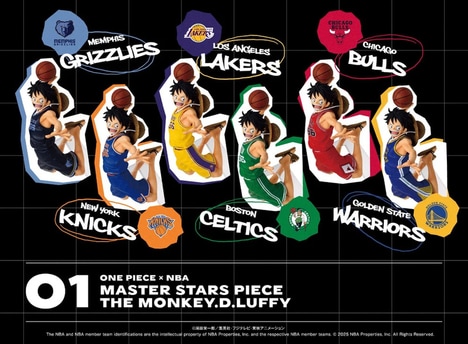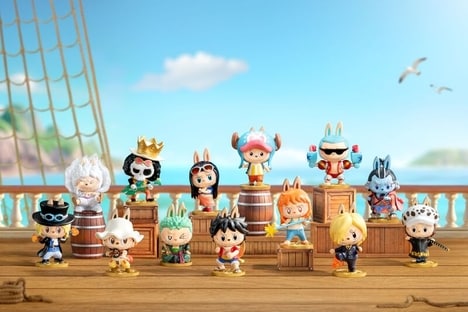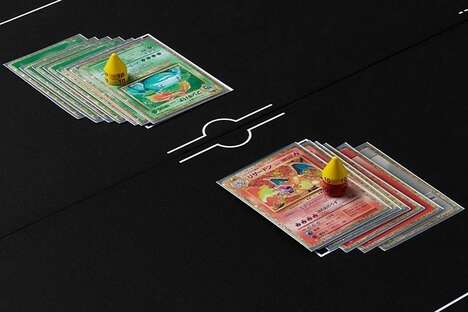


'Bandai,' the Japanese multinational toy company, has announced the development of the 'One Piece Trading Card Game.' This trading card game (TCG) will have four starter card decks at its initial launch. These decks will be themed after four different legions of pirates in the animated series. In addition to these four starter decks, the first set of booster packs will be titled 'Romance Dawn,' which is the name of the first chapter of the One Piece manga.
One starter deck costs approximately $9 USD, while one booster pack costs roughly $2 USD. This TCG will launch in Japan this July of 2022. There are already several confirmed character cards released, such as the main character 'Monkey D. Luffy,' or his adopted brother 'Portgas D. Ace.' The TCG will also feature an English release later in 2022.
Image Credit: Bandai, One Piece
Key Themes Behind This Trend
- Anime-inspired Trading Cards
- The trend of developing anime-inspired trading cards is set to rise as companies, like Bandai, cater to the interests of anime enthusiasts.
- Official Trading Card Games
- There is a growing trend for companies to develop official trading card games for their IP to monetize their content and boost fan engagement.
- Regional-first Launches
- Companies are exploring regional-first launches as a marketing strategy to gain a competitive edge by testing their products in one region before expanding to other markets.
Where This Applies
- Entertainment
- The entertainment industry can benefit from developing original trading card games as a new source of revenue while engaging their fan base.
- Gaming
- The gaming industry can benefit from anime-inspired trading cards as a new platform for interactive storytelling that translates well to video games.
- Marketing
- Marketing professionals can leverage the popularity of anime franchises to create new merchandise, such as trading cards, to sell to fans and increase brand engagement.