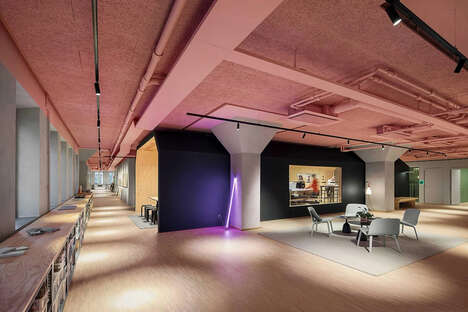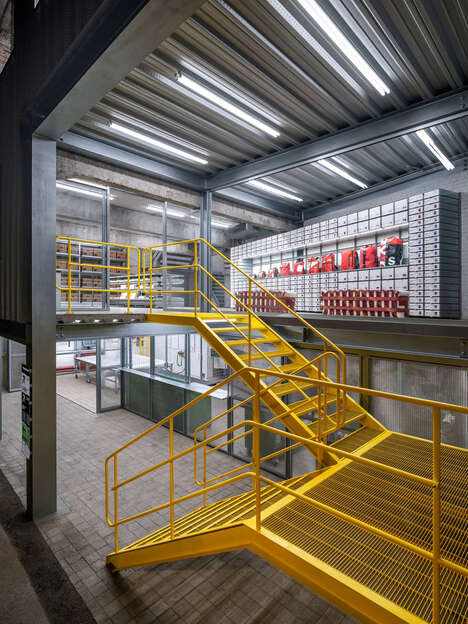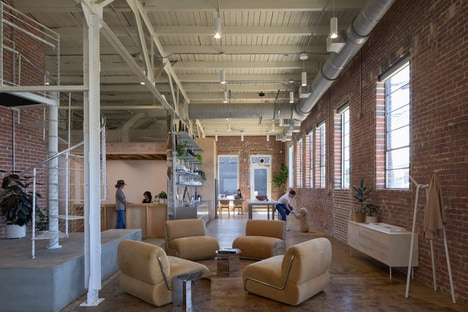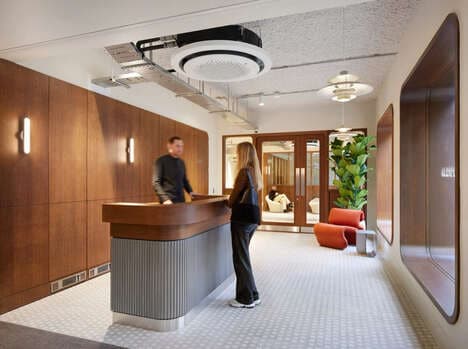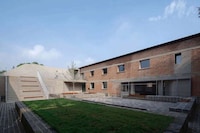


The renovations of old-fashioned buildings always entail two things — the preservation of original frameworks and notable details of the previous structure and the integration of a modern aesthetic with tech-driven embellishments or sophisticated minimalism. Architecture firm Skidmore, Owings & Merill embark on a project to execute such a conversion for the headquarters of the hat maker, Optimo.
The new factory finds its home in a century-old firehouse in the Beverly neighborhood of Chicago. As far as old-fashioned buildings go, the architectural marvel is the perfect site for Optimo — a hat company that develops its products with a 20th-century technique and one that has received a cult-like following. This project brings all of the brand's departments together, ensuring "an efficient and collaborative workflow."
Photo Credits: Tom Rossiter
Why This Trend Is Growing
- Repurposed Historic Buildings
- The trend of repurposing century-old buildings offers opportunities for innovative designs that blend old and new, preserving historical elements while incorporating modern aesthetics and technology.
- Tech-driven Architecture
- The integration of technology-driven embellishments in architectural design creates disruptive opportunities to enhance functionality, efficiency, and collaboration in workspaces.
- Sophisticated Minimalism
- The trend of incorporating sophisticated minimalist design elements in renovated buildings presents opportunities to create sleek, modern spaces that focus on simplicity and clean aesthetics.
Industries Being Reshaped
- Architecture and Design
- The architecture and design industry can explore innovative approaches to repurposing historic buildings, incorporating technology, and creating sophisticated minimalist designs.
- Fashion and Apparel
- The fashion and apparel industry can utilize repurposed historic buildings to create unique and authentic brand experiences, merging traditional craftsmanship with modern production techniques.
- Workplace Efficiency Solutions
- The industry focused on workplace efficiency solutions can develop technology-driven architectural designs that optimize collaboration, productivity, and workflow in repurposed old-fashioned buildings.