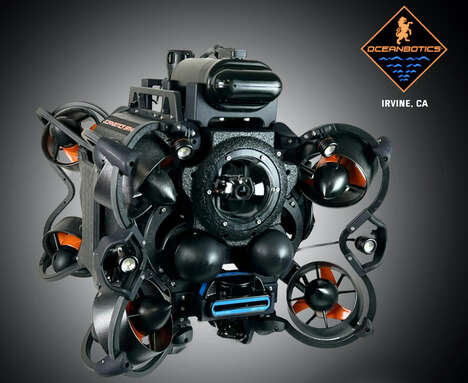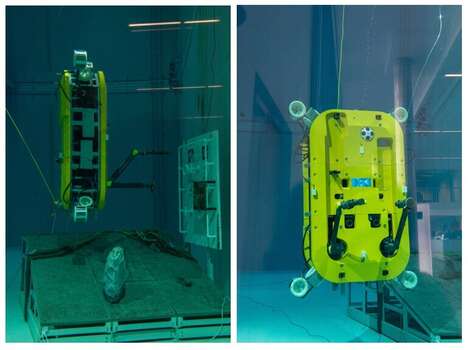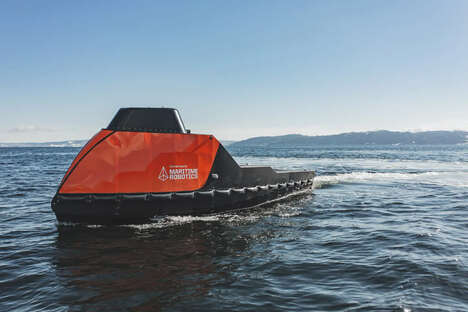


Researchers from the Virginia Institute of Marine Science have developed a remotely operated vehicle that will enable easy and accurate assessment of the thickness of oil slicks. When an oil slick occurs, it's imperative that clean-up crews know the amount of oil that has been spilled, as this will determine the quantity of agents and materials used in the clean-up. The Acoustic Slick Thickness vehicle enables this by looking at the spill from above, unlike the conventional method where people in boats and aircraft assess the spill from above.
This vehicle moves underwater beneath oil slicks and uses sonic transducer technology to send sound waves up the underside of the slick before assessing the reflects to figure out the thickness of the slick. This technology could prove to be crucial in the assessment of future oil slicks, and is an important development given the havoc that oil slicks can wreak on the ecosystem.
Key Themes Behind This Trend
- Remotely Operated Vehicles
- The development of ROVs for assessing the thickness of oil slicks presents opportunities for advancements in underwater exploration and maintenance.
- Sonic Transducer Technology
- The use of sonic transducer technology in assessing oil slick thickness opens up possibilities for applications in other industries, such as structural integrity testing or material analysis.
- Alternative Oil Spill Assessment Methods
- The shift towards alternative methods, like the Acoustic Slick Thickness ROV, showcases the potential for disruptive innovation in the field of environmental monitoring and disaster response.
Where This Applies
- Oil and Gas
- The development of ROVs and advanced assessment technologies could lead to improved efficiency and safety in oil exploration, extraction, and spill response.
- Marine Exploration
- The adoption of ROV technology and acoustic assessment methods can revolutionize marine exploration by enabling more precise measurements of underwater conditions and resources.
- Environmental Monitoring
- Incorporating alternative methods for assessing oil slick thickness can enhance environmental monitoring efforts and accelerate response times to mitigate the impact of oil spills on the ecosystem.