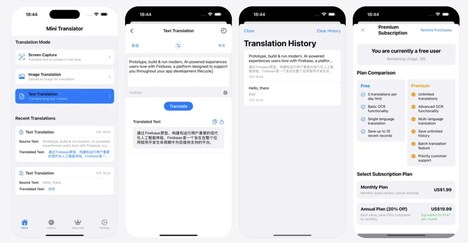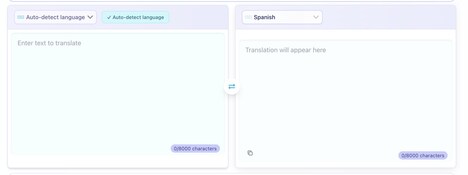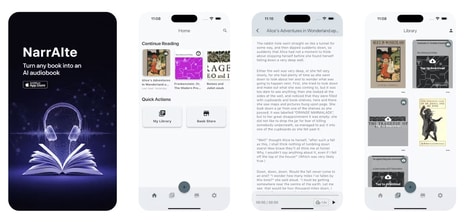
Translating books, stories, and visual content can be challenging when traditional tools struggle with formatting, context, or specialised language. Novel Translator uses AI to help readers translate novels from formats such as ePUB, PDF, and TXT while supporting a wide range of languages.
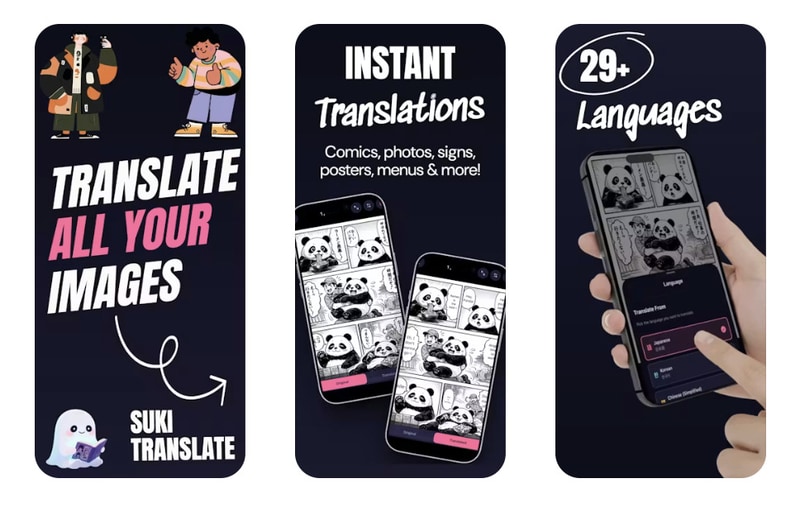
The platform is built for different types of written content, including mature themes and specialised genres, helping readers access stories beyond language barriers. Alongside document translation, Suki Translate brings similar capabilities to images, allowing users to translate manga pages, signs, menus, and other visual text directly from a mobile device. A focus on privacy means translations stay on-device without cloud uploads, accounts, or tracking. Novel Translator provides a flexible way for readers, creators, and language enthusiasts to explore global content while keeping control over their personal data and translation experience.
Image Credit: Novel Translator
What Makes This Trend Stand Out
- Private AI Translation
- On-device language processing creates new potential for privacy-first tools that handle sensitive books, images, and niche content without cloud dependency.
- Multiformat Story Access
- AI systems that preserve formatting across ePUB, PDF, TXT, and visual media reveal opportunities in seamless cross-language reading experiences.
- Visual Text Localization
- Mobile image translation for manga, menus, signs, and scanned pages points to growing demand for instant contextual localization in everyday environments.
Sectors Adopting This
- Publishing
- Global book discovery is being reshaped by AI translation platforms that make specialized genres and independent works accessible across language markets.
- Mobile Apps
- Privacy-centered translation features can differentiate consumer apps by combining offline utility, camera-based text recognition, and multilingual convenience.
- Entertainment
- Cross-border access to manga, novels, and fan-driven media introduces new possibilities for localized content consumption without traditional licensing bottlenecks.