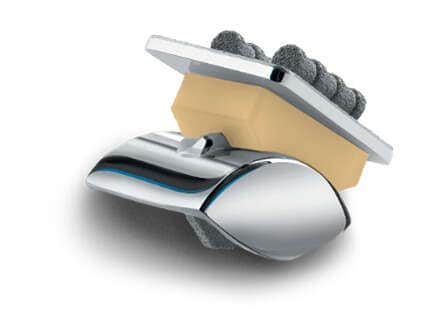
Traditionally, artificial joints are a combination of metals, plastics and ceramics. While they do the job well, their lifetime is under 20 years and there are wear and compatibility issues.
At this year’s Nanotech 2009 conference, a new material was introduced which incorporates carbon nanotubes into traditional implant materials. The result is a slick, high quality implant that should last longer than current implants.
Also, carbon nanotubes are viewed less antagonistically by the body, resulting in minimal issues with rejection.
What's Driving This Trend
- Carbon-nanotube-enhanced Implants
- Exploring the implementation of carbon nanotubes into implant materials to develop longer-lasting and more biocompatible artificial joints.
- Nanotech Implant Materials
- Researching nanotechnology in implant materials for longer-lasting and more biocompatible artificial joint replacements.
- Anti-rejection Joint Implants
- Developing artificial joints with better biocompatibility and reduced rejection rates through the implementation of carbon nanotubes.
Who This Affects Most
- Medical Devices
- Incorporating nanotechnology into medical device manufacturing for the development of longer-lasting and more biocompatible artificial joints.
- Orthopedics
- Exploring the use of carbon nanotubes for the development of longer-lasting and more biocompatible joint replacements.
- Nanotechnology
- Incorporating nanotechnology into the development of materials for medical devices, with a focus on artificial joint replacements.