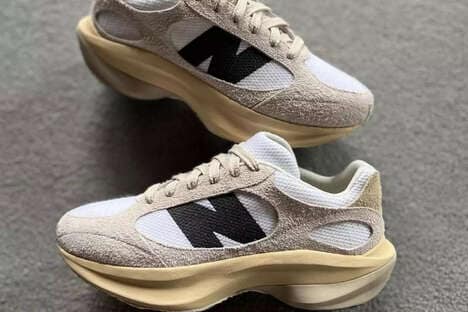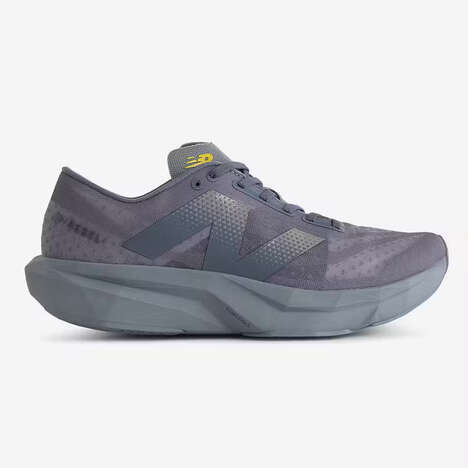

The New Balance 3D-printed shoes are the result of a partnership with Somerville, a 3D printing company located in Massachusetts. The partnership created TrippleCell, which is a technology in the footbed of the shoe. The technology is created from a proprietary photopolymer, which is named Rebound Resin. The first shoe model of New Balance 3D-printed shoes will be the company's 990 sport. The pair has a price point of $185 and has a lightweight design. The company is also looking to launch two other models within a year.
The shoes are created with ethylene vinyl acetate (EVA) which is a resistant foam that compresses with subsequent use. This was rational behind to shoes, to offer a replacement to buyers when the EVA material breaks down.
Image Credit: New Balance
Key Themes Behind This Trend
- Durable 3D Printing
- Disruptive innovation opportunity: Explore new materials and printing techniques that enhance the durability of 3D-printed products.
- Customizable Footwear
- Disruptive innovation opportunity: Develop technologies that allow consumers to personalize and customize 3D-printed footwear to their unique preferences.
- Sustainable Manufacturing
- Disruptive innovation opportunity: Integrate eco-friendly materials and practices into the 3D printing process to create sustainable and environmentally conscious products.
Where This Applies
- Sporting Goods
- Disruptive innovation opportunity: Develop 3D printing technologies that enable the production of high-performance sporting goods with enhanced durability and customization options.
- Footwear
- Disruptive innovation opportunity: Harness 3D printing capabilities to revolutionize the footwear industry by offering personalized, durable, and sustainable shoe options.
- 3D Printing
- Disruptive innovation opportunity: Push the boundaries of 3D printing technology to create products that challenge traditional manufacturing methods in various industries.