There are thousands of languages and dialects around the world that contain words for concepts and actions that the English language doesn't have -- these necklace designs translate some of those words.
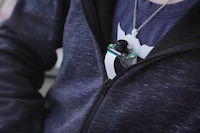
The necklaces are sold on the Etsy shope 'Minimalist Things' and hang from a brass chain with a glass exterior that shows the translations inside. The necklace designs feature words from a variety of languages -- including Japanese, Danish, Spanish, Russian and Brazilian Portuguese. It translates words such as "wabi-sabi," which in Japanese means "a way of living that focuses on finding beauty within the imperfections of life." Another interesting translation is the Russian word "toska," meaning "a longing with nothing to long for." Most of these words translate into something that everyone experiences but that the English language does not have words for.
These necklace designs allow for people to educate themselves and put an international twist on jewelry.
What's Driving This Trend
- Multilingual Jewelry
- Creating jewelry that incorporates translations of words from different languages, allowing for cultural expression and education.
- Cultural Inclusivity Accessories
- Designing accessories that promote cross-cultural understanding and appreciation, breaking language barriers through fashion.
- Linguistic Awareness Fashion
- Developing fashion items that raise awareness about diverse languages and foster a sense of global connection.
Who This Affects Most
- Jewelry
- The jewelry industry can embrace the opportunity of incorporating translations of words from various languages to create unique and meaningful pieces.
- Fashion
- The fashion industry can explore ways to integrate multilingual elements into accessories and clothing, promoting cultural inclusivity and language awareness.
- Education
- The education industry can leverage these necklace designs as a tool to enhance language learning and cultural understanding among students.