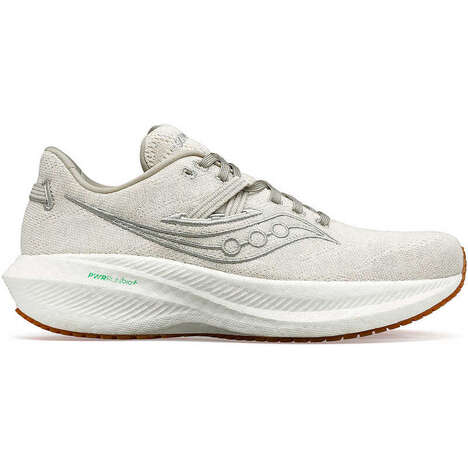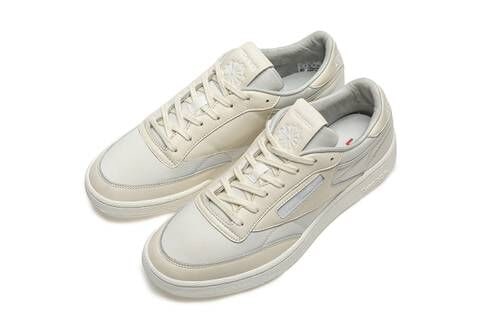


Based on the popular Nano X1 style, Reebok created a plant-based version of the training shoe called the Nano X1 Vegan. The sneaker boasts a composition of 40% bio-based materials and it's designed to be used for everything from running and walking to lifting weights.
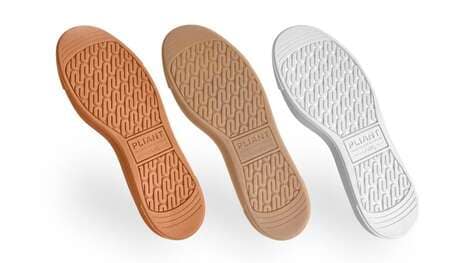
The sustainable Reebok sneaker includes a cotton and wood spun yarn upper, a midsole made with materials like castor bean oil and EVA foam, plus a rubber outsole.
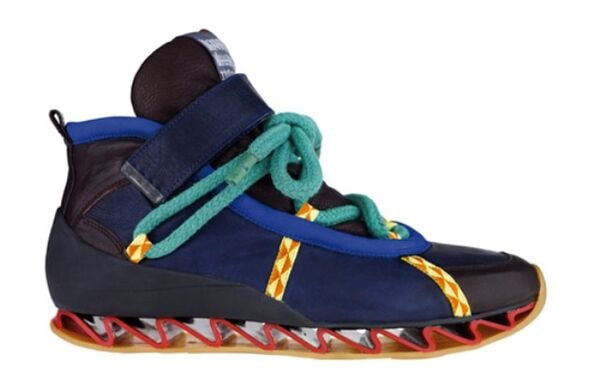
In recent months, many sneaker brands have been reimagining some of their most popular footwear styles with a portion of plant-powered materials, or entirely plant-based components, to show off innovative material use and reduce waste where possible. Tal Short, senior product manager at Reebok, says “We have a responsibility not just to design and create with our consumers in mind, but also planet Earth.”
What's Driving This Trend
- Plant-based Footwear
- Sneaker brands are innovating with plant-based materials for sustainable footwear options.
- Bio-based Materials
- Using bio-based materials, like castor bean oil and wood spun yarn, is becoming increasingly popular in the fashion industry.
- Sustainable Athletic Wear
- Sportswear companies are creating sustainable options from running shoes to athletic fabrics.
Who This Affects Most
- Fashion
- The fashion industry can prioritize sustainable materials in athletic and casual wear to reduce environmental impact while maintaining style.
- Sportswear
- Athletic brands can incorporate plant-based materials into their products, appealing to environmentally conscious customers.
- Sustainability
- Sustainability-focused companies can promote the use of plant-based materials to create more eco-friendly athletic and casual wear.